Philadelphia Gallery
Converted from Older Sites
Richard Rathe 2010 (Art, HDR, History, Travel)
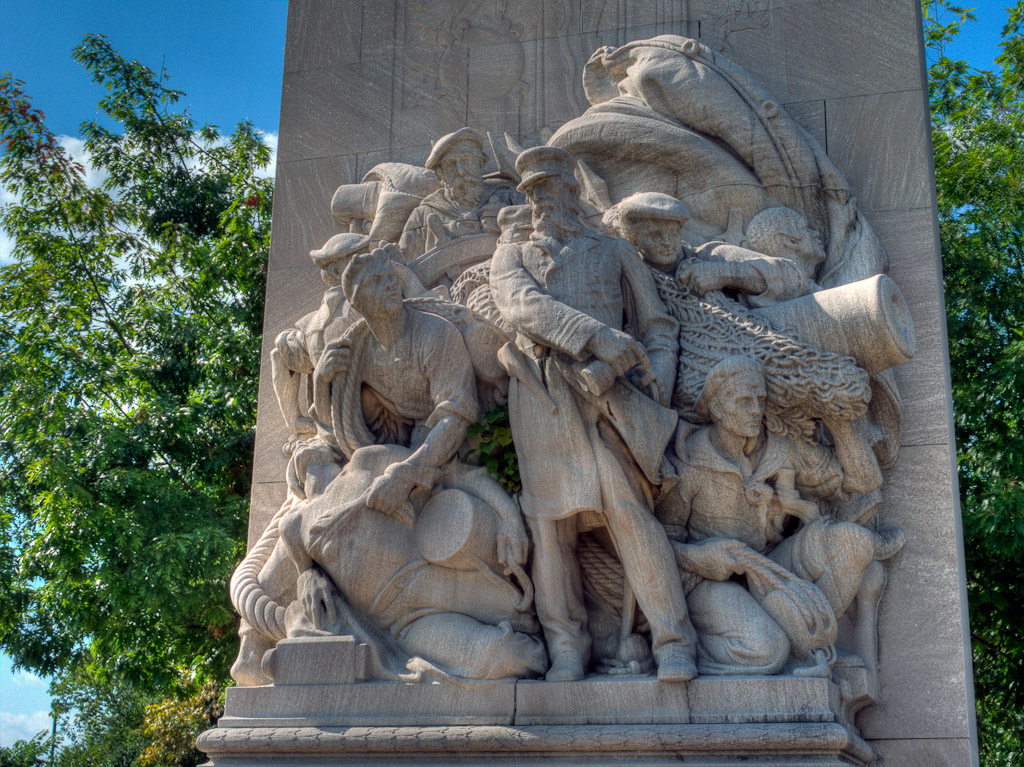
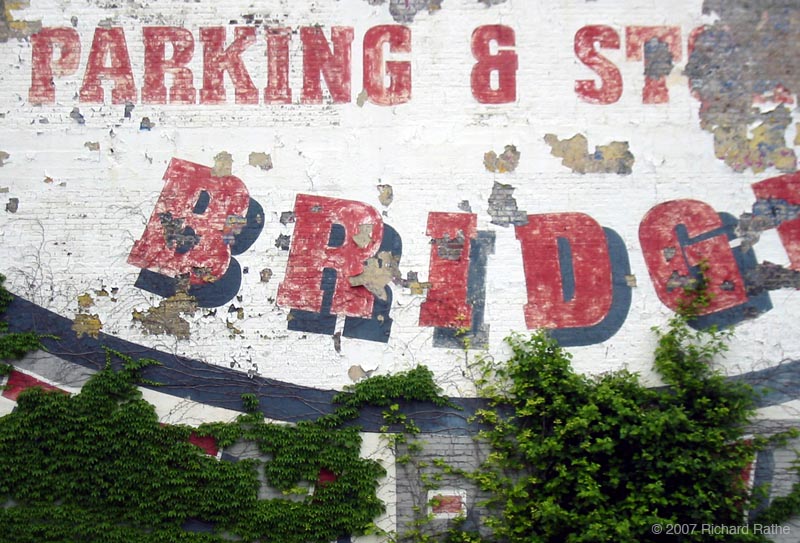
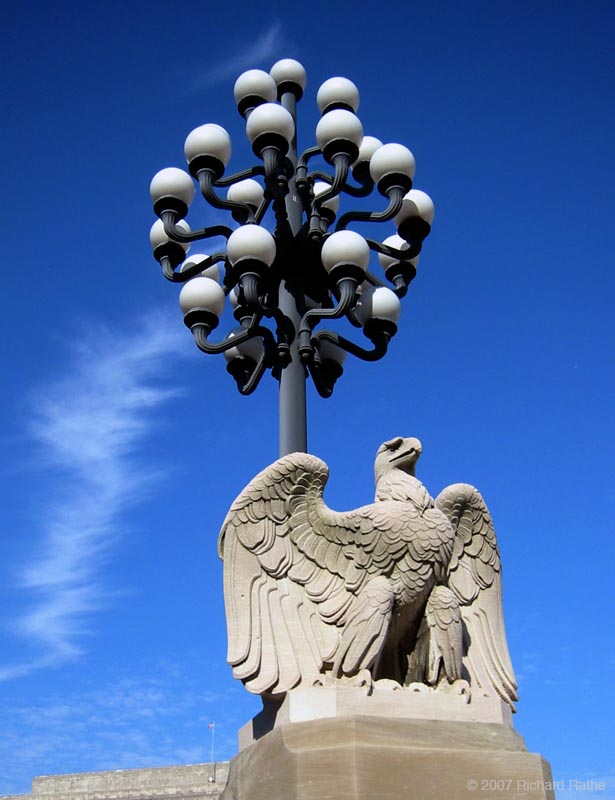
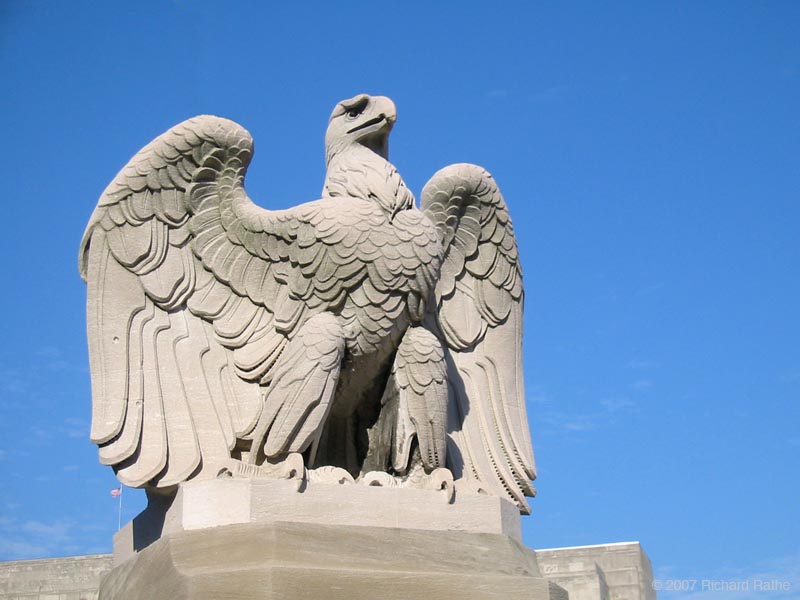
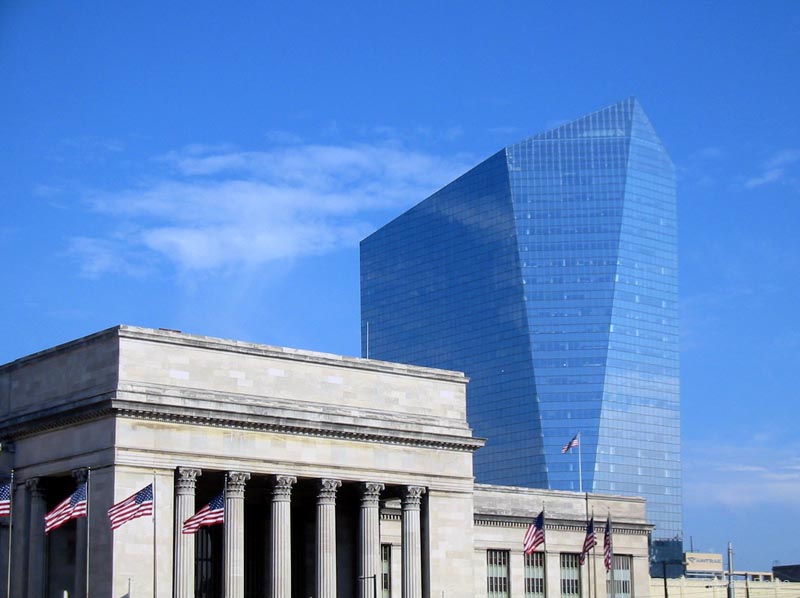
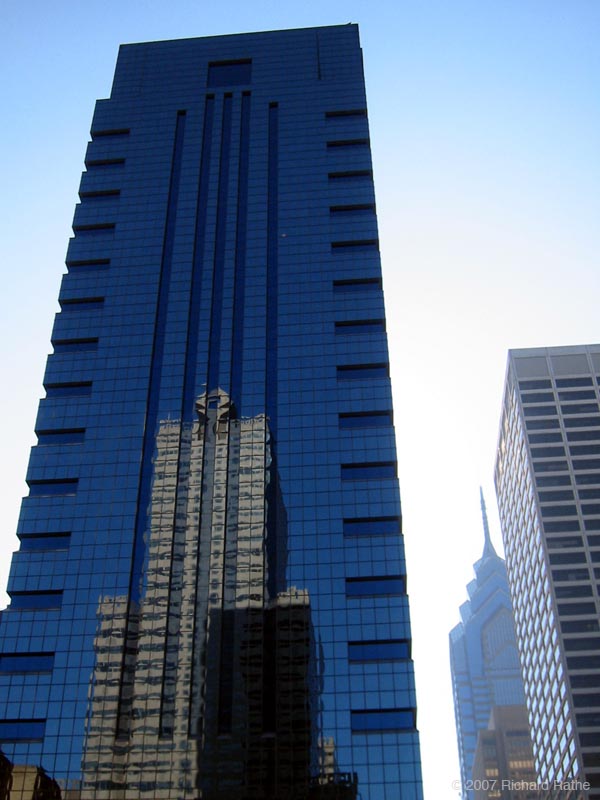
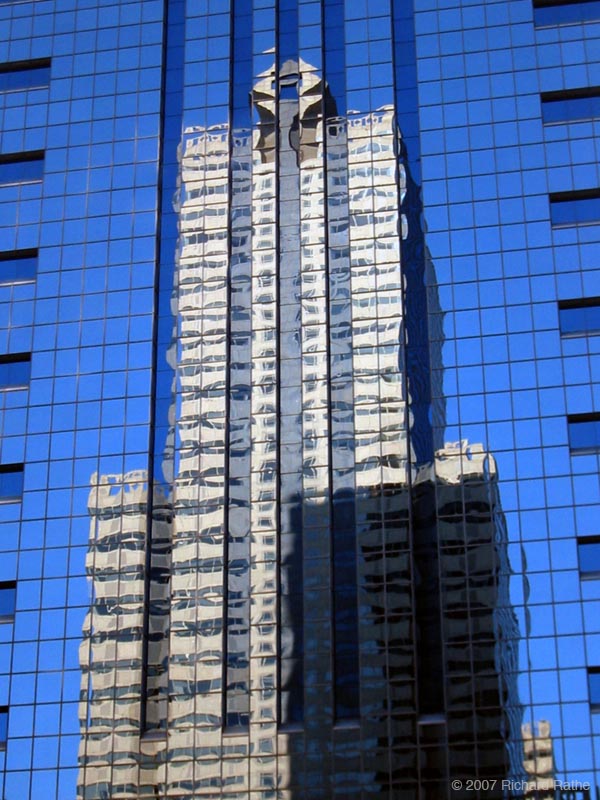
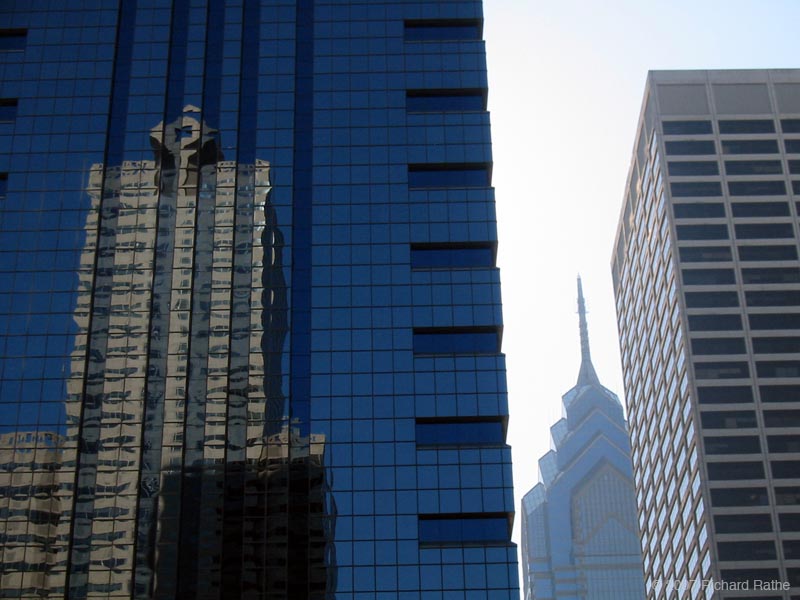
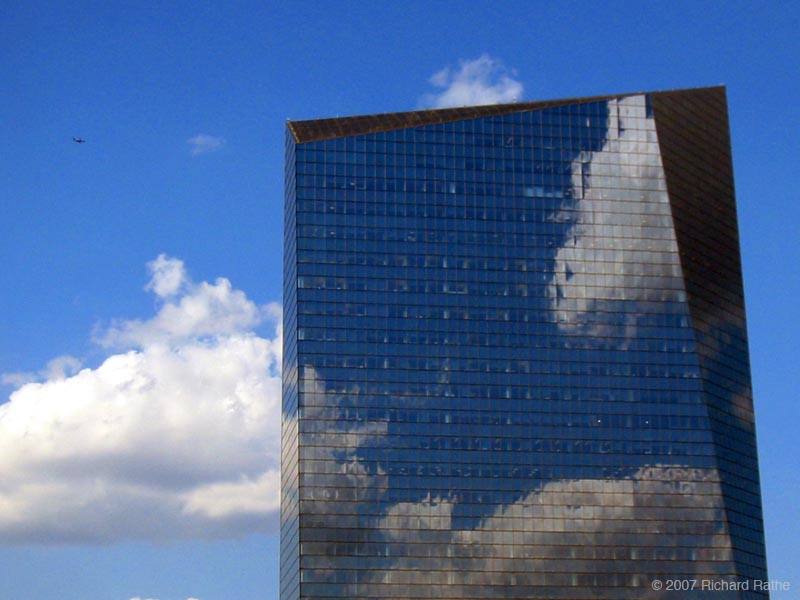
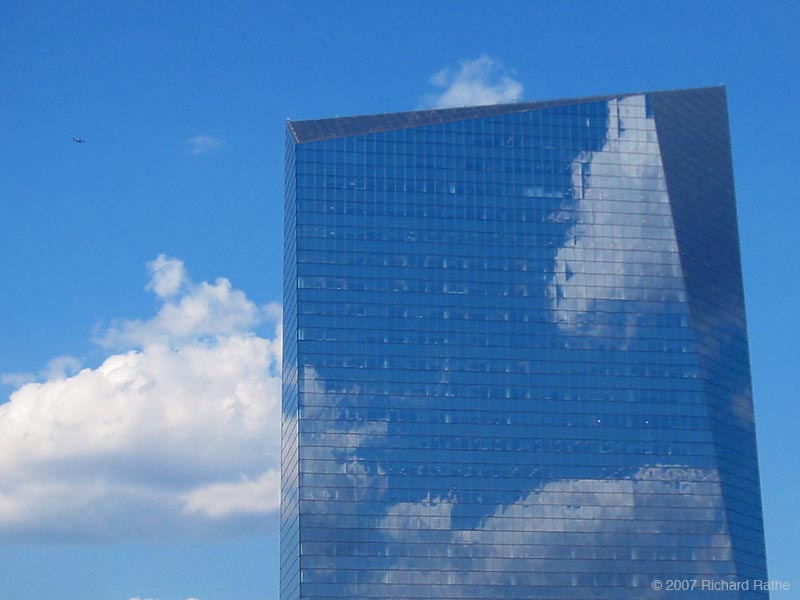
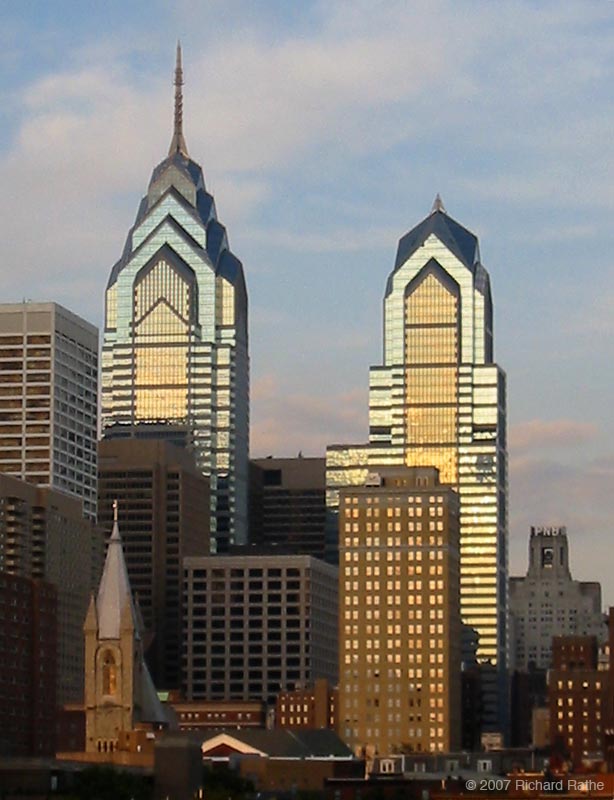
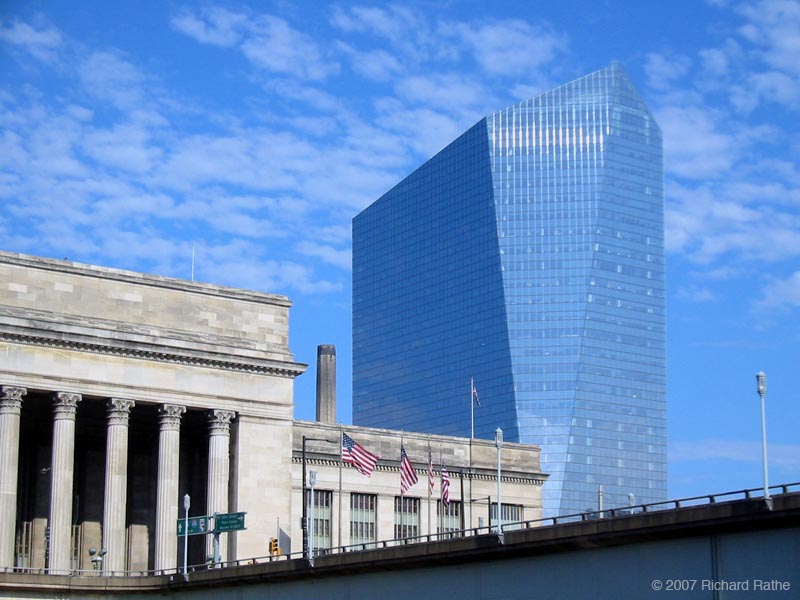
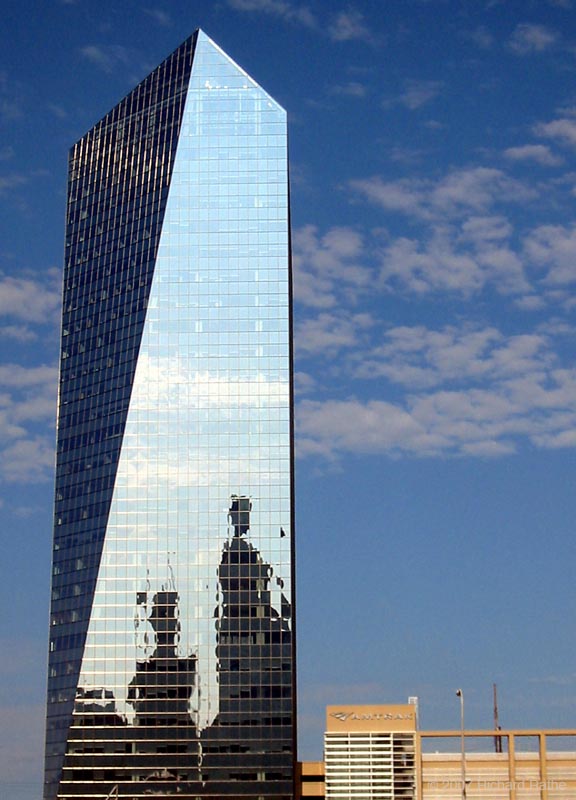
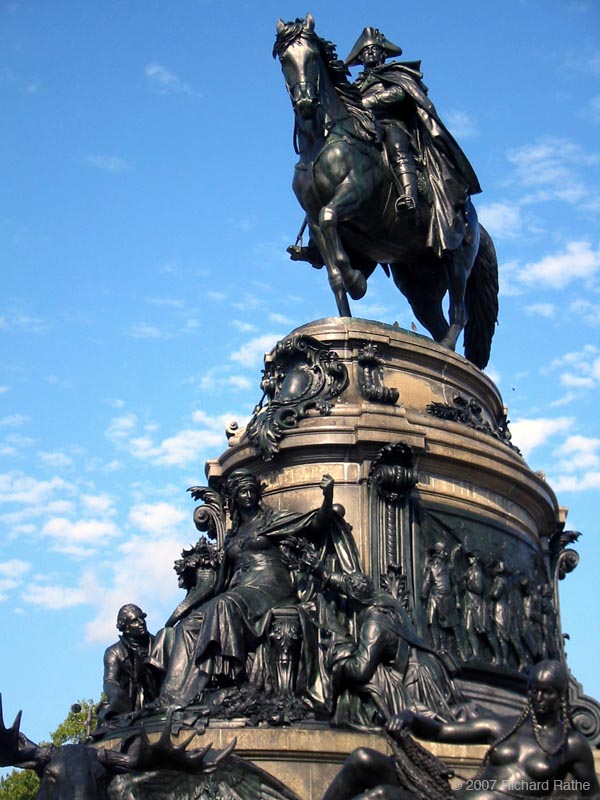
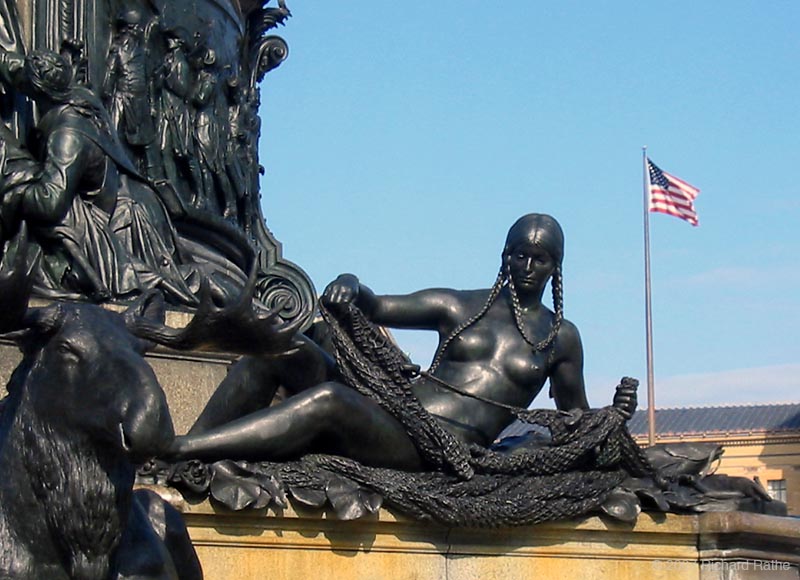
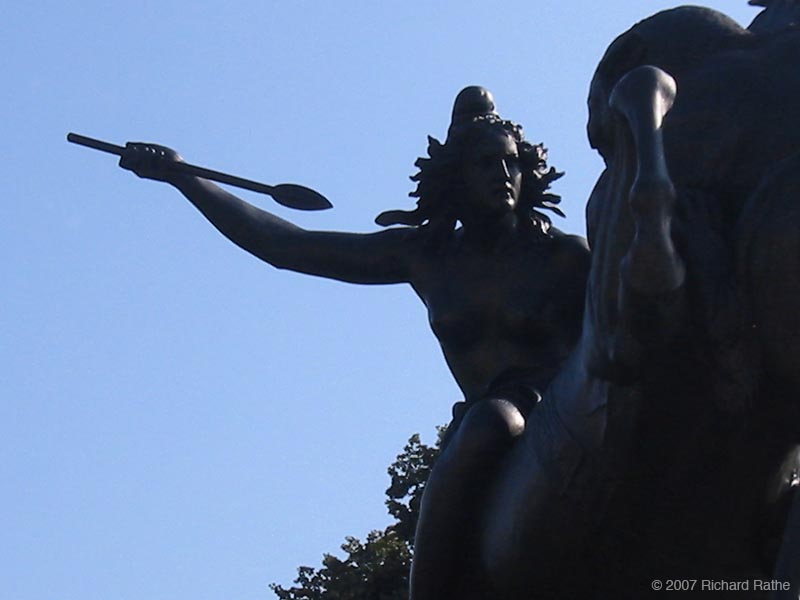
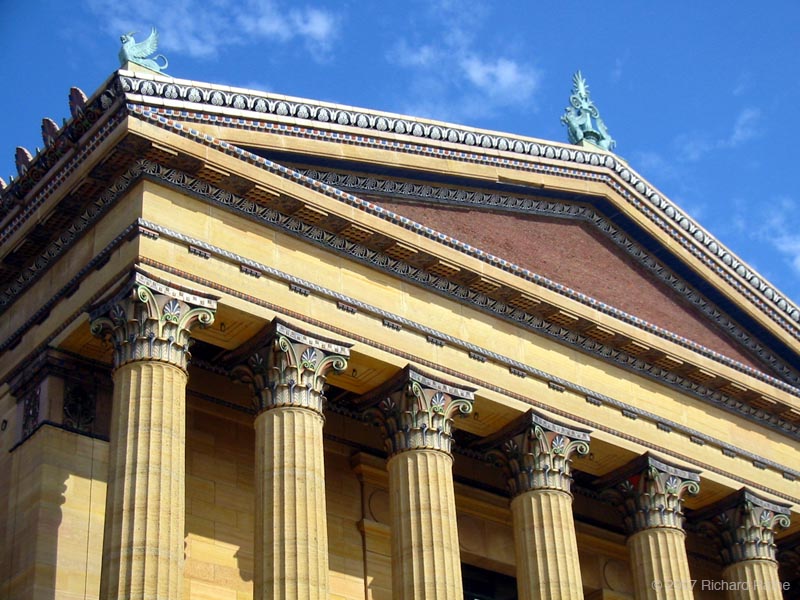
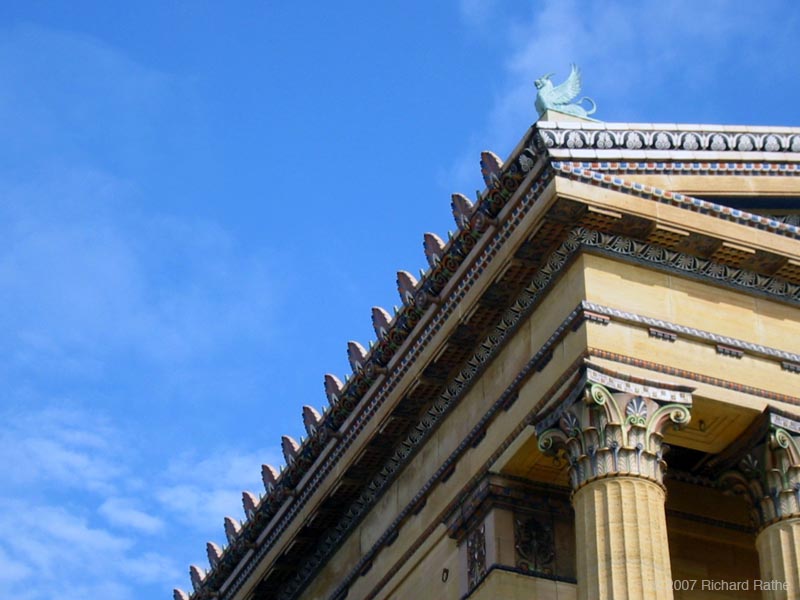
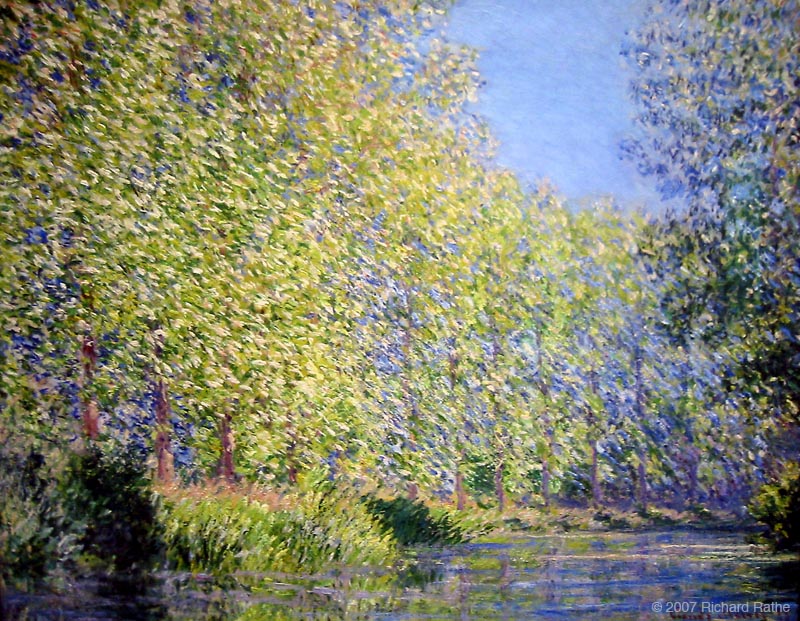
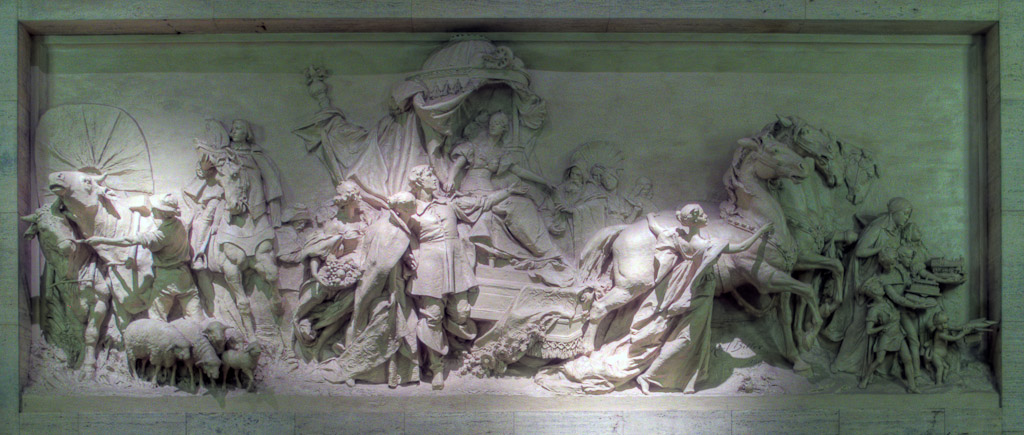
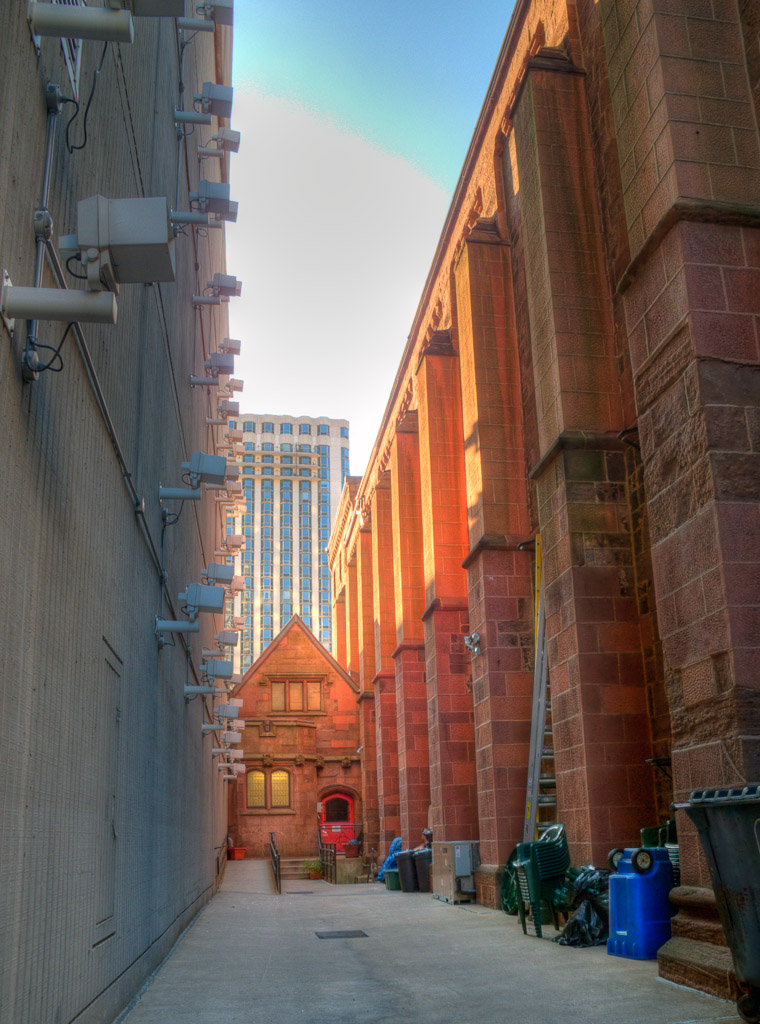
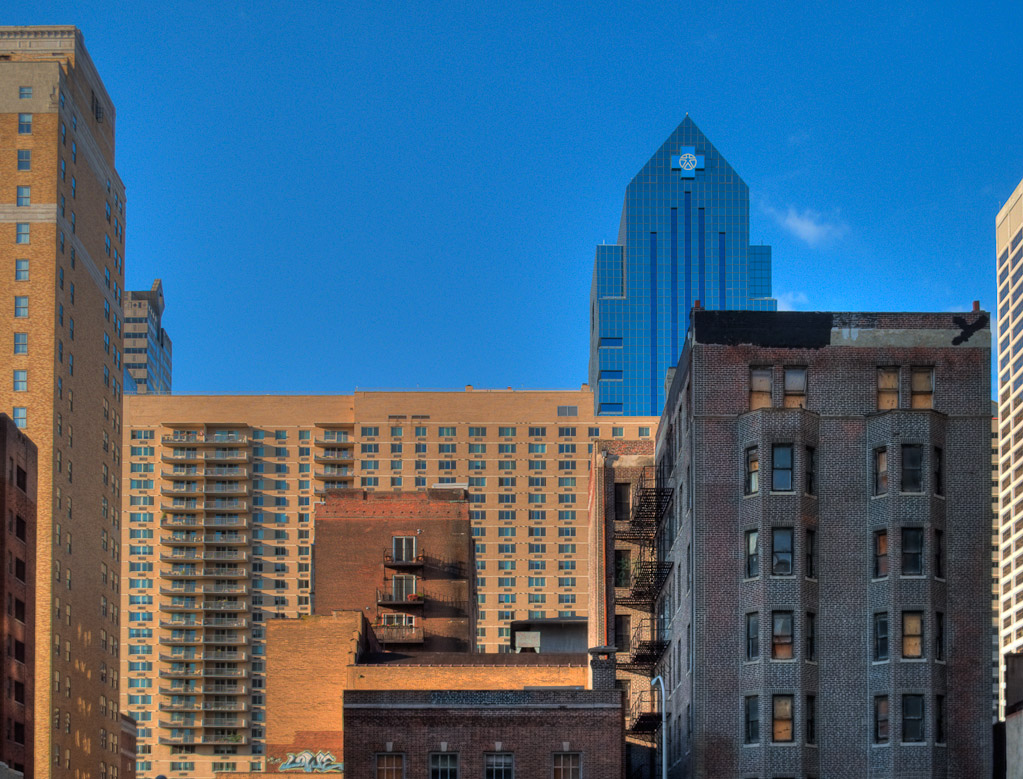
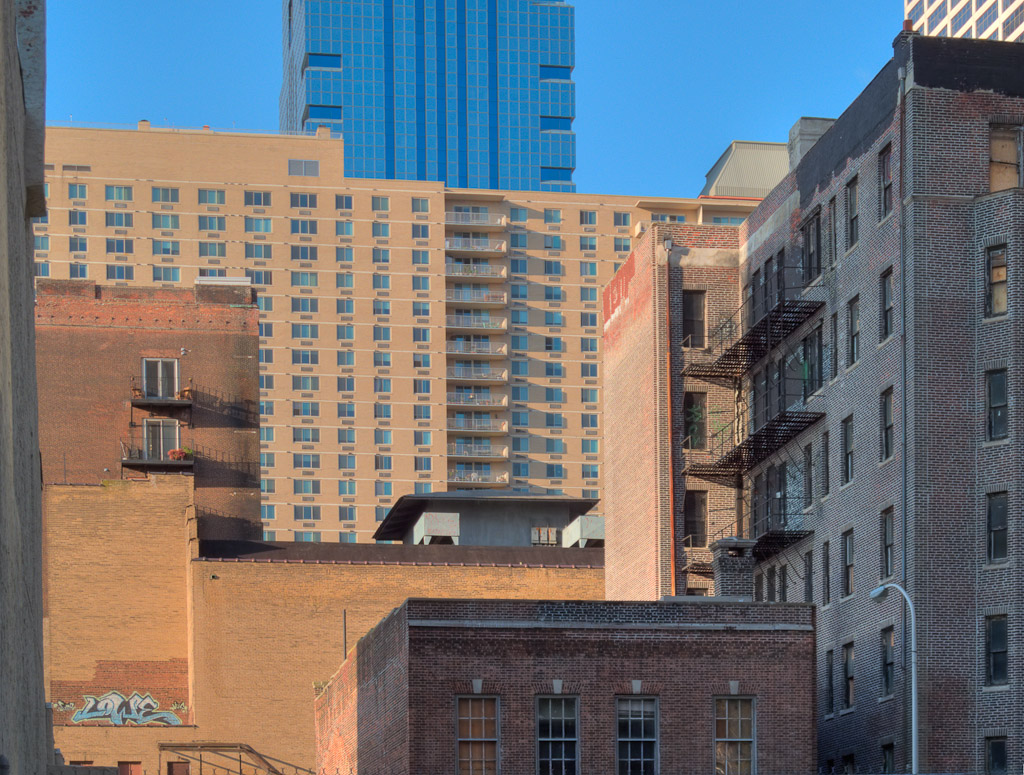
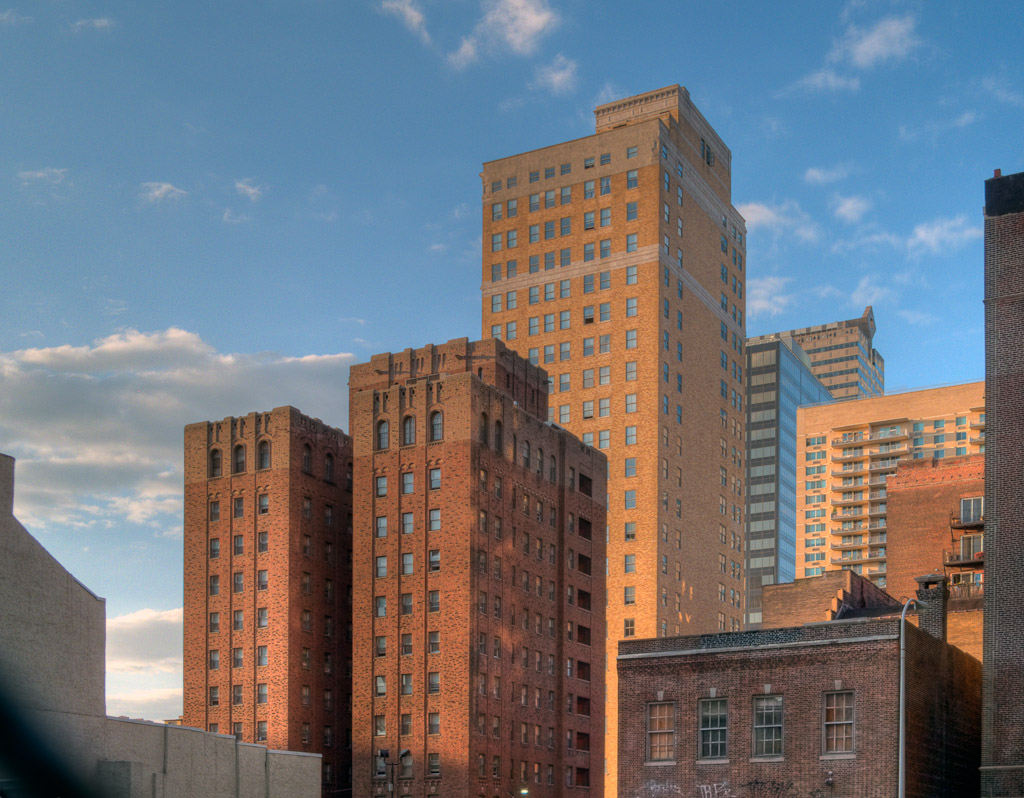
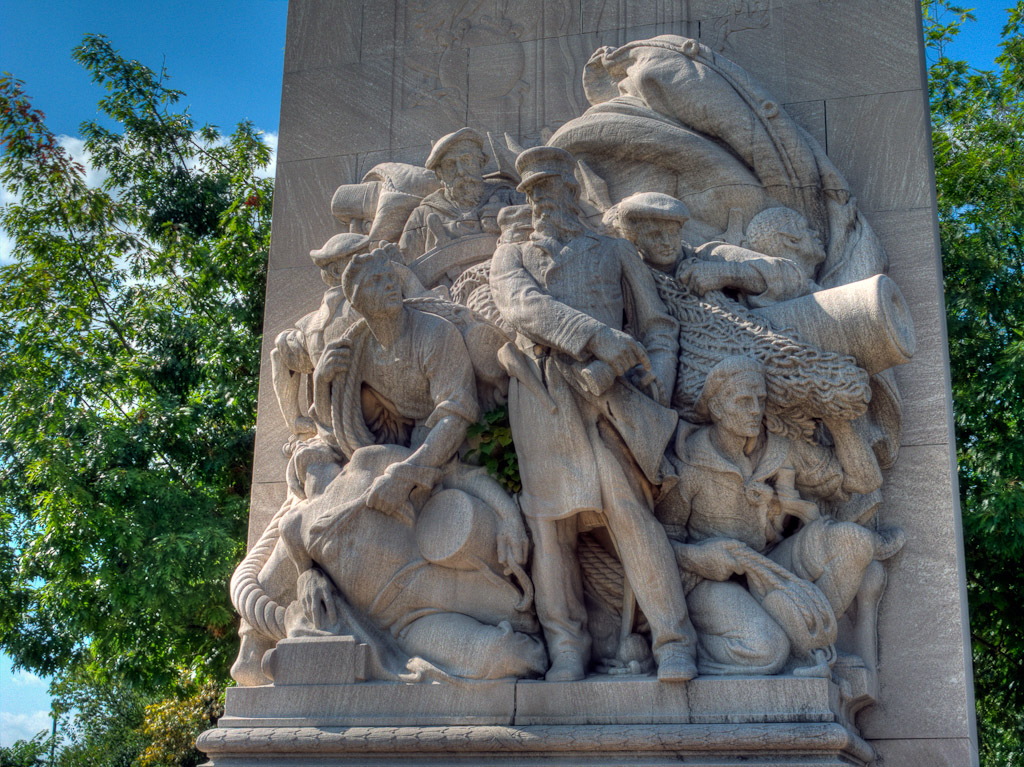
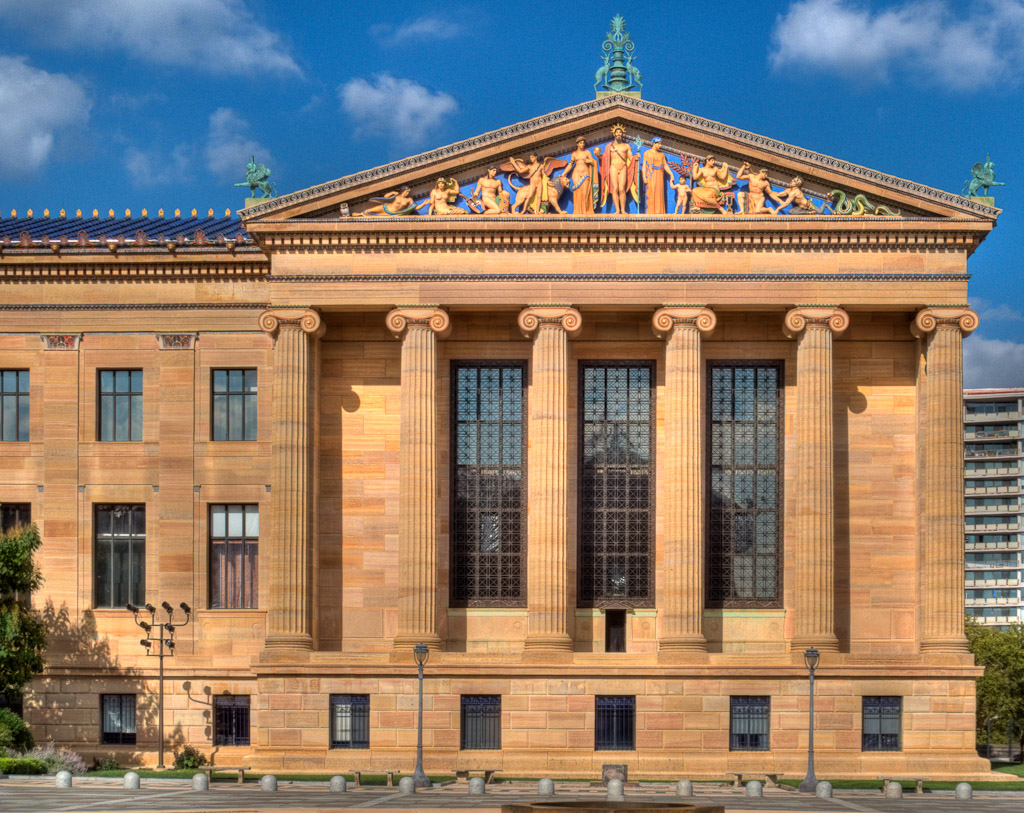
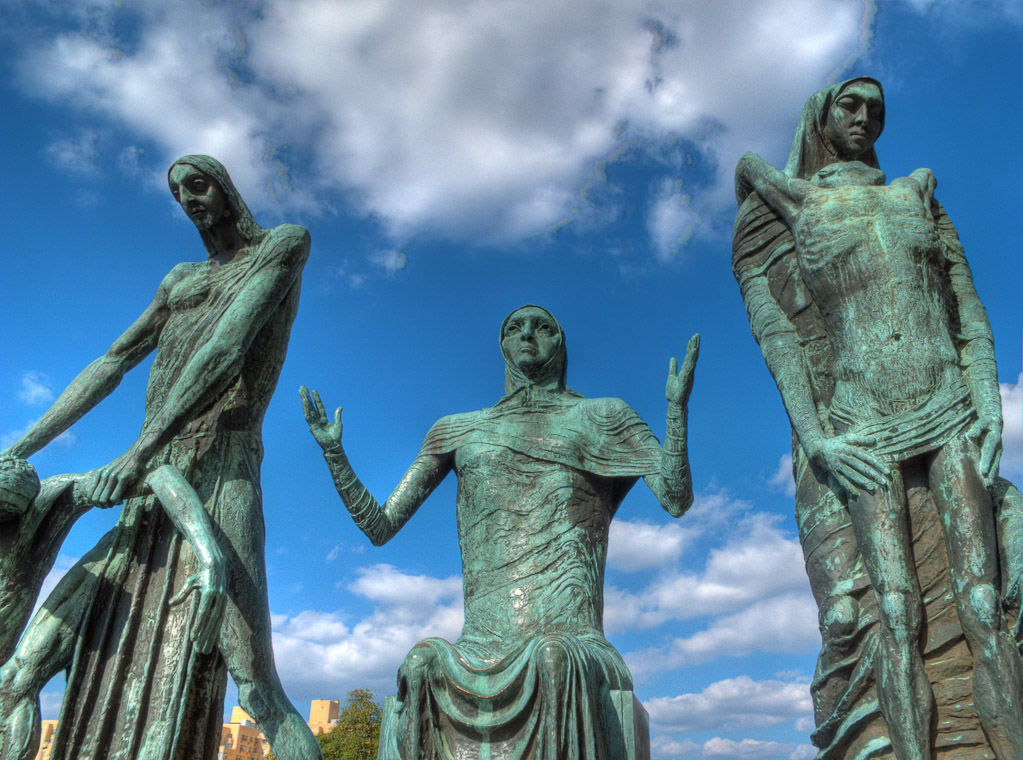
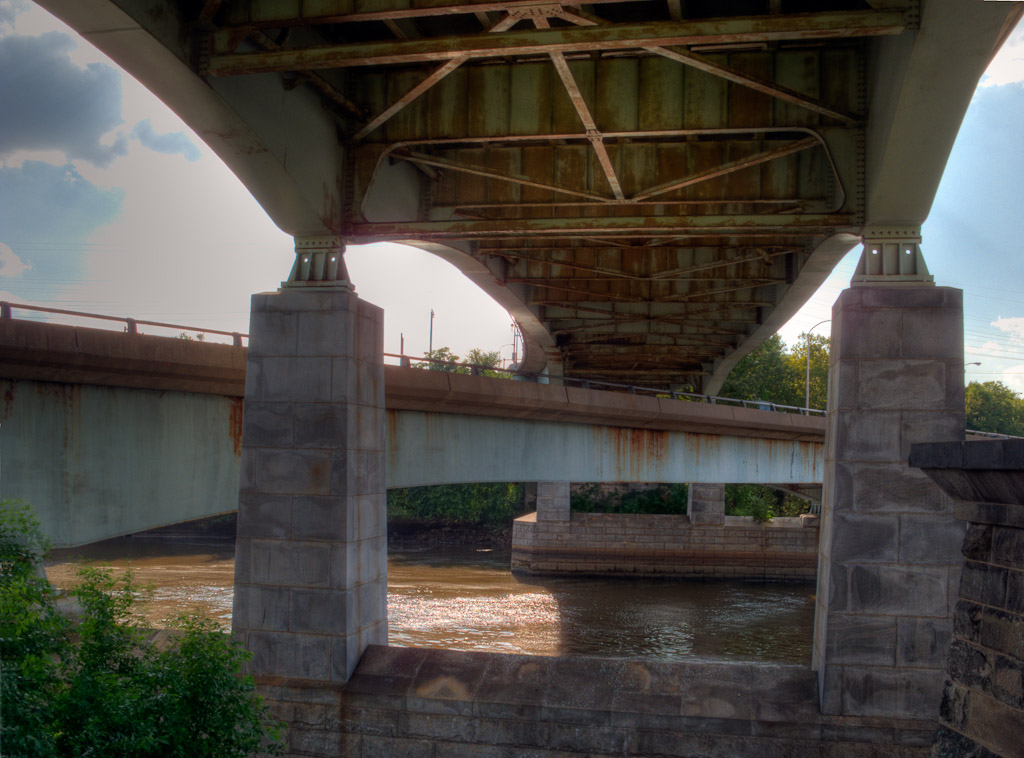
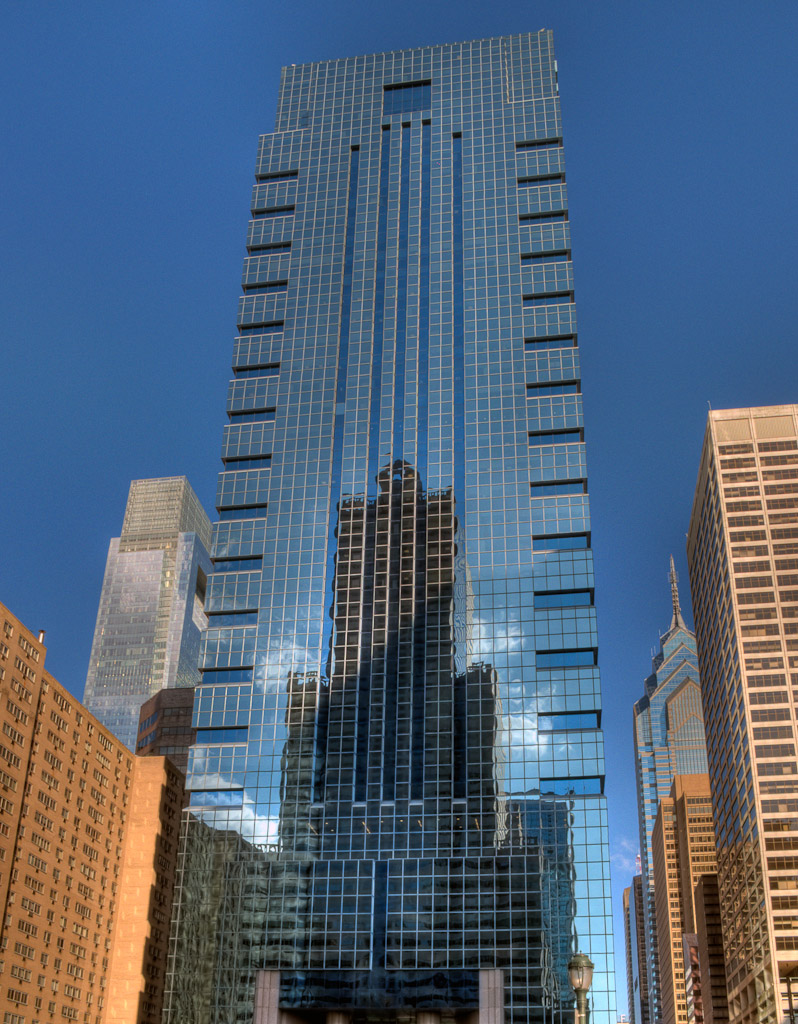
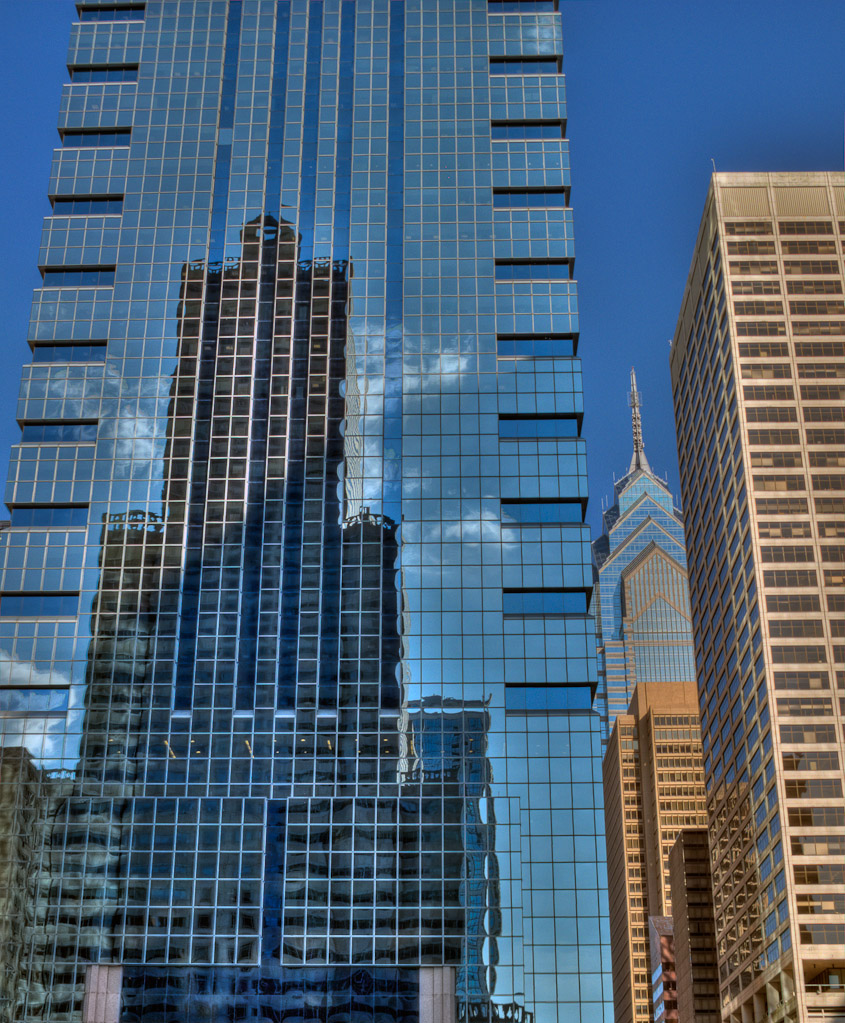
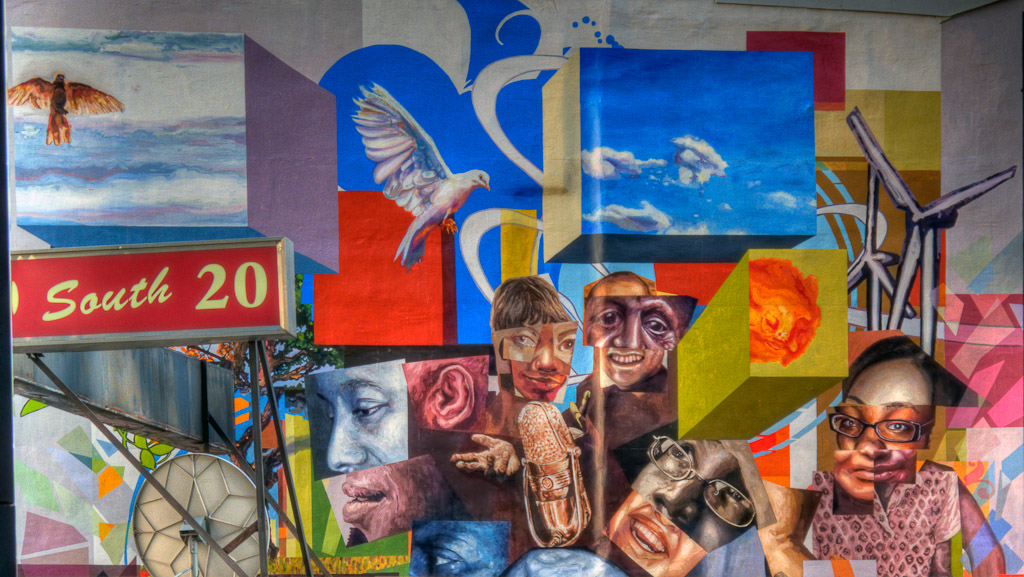
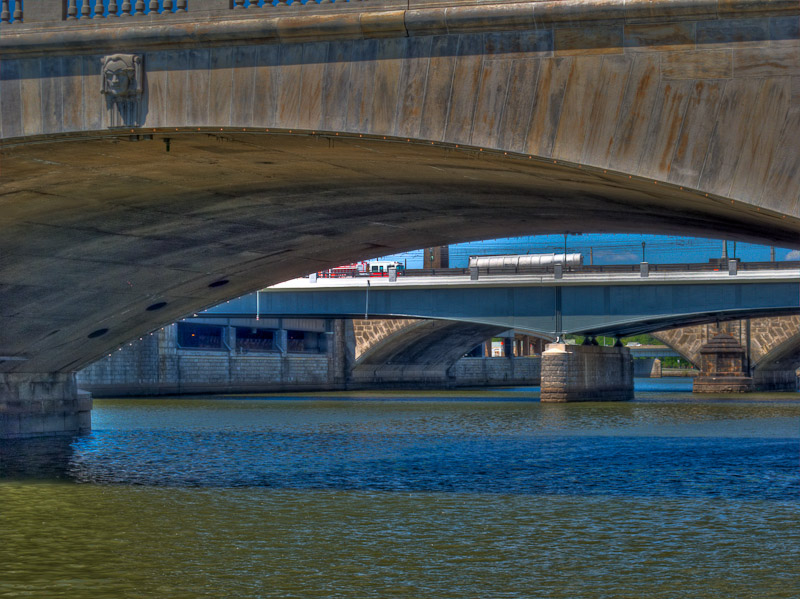
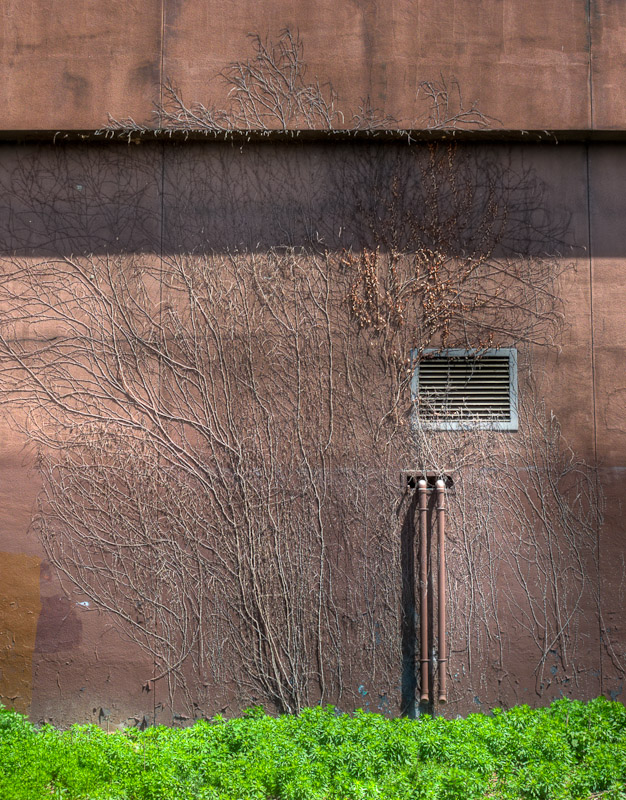
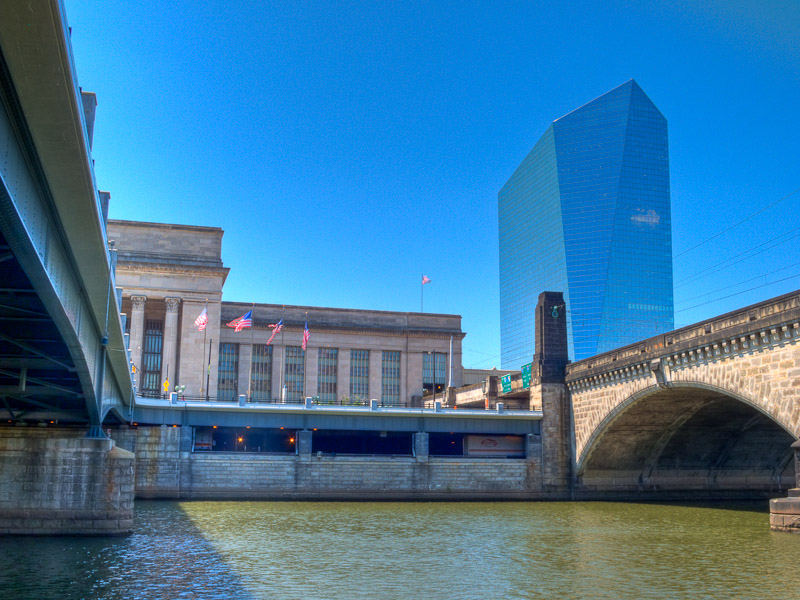
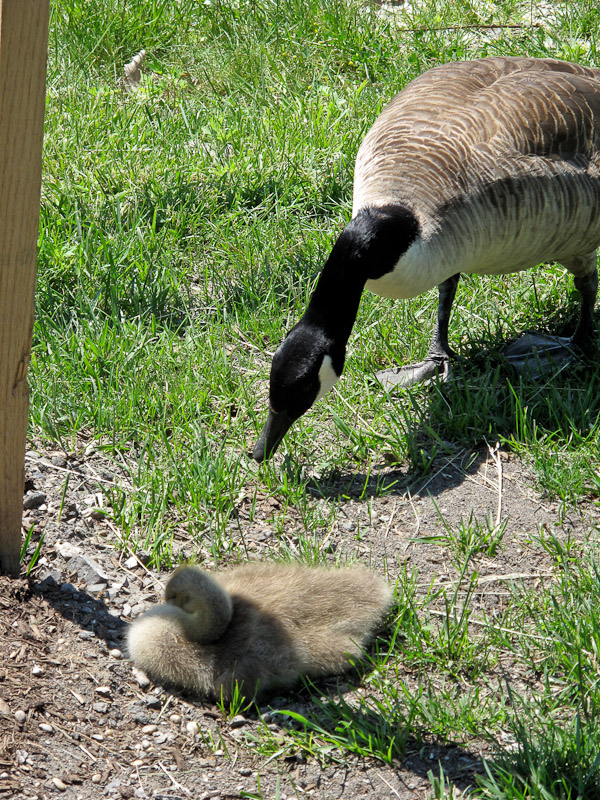
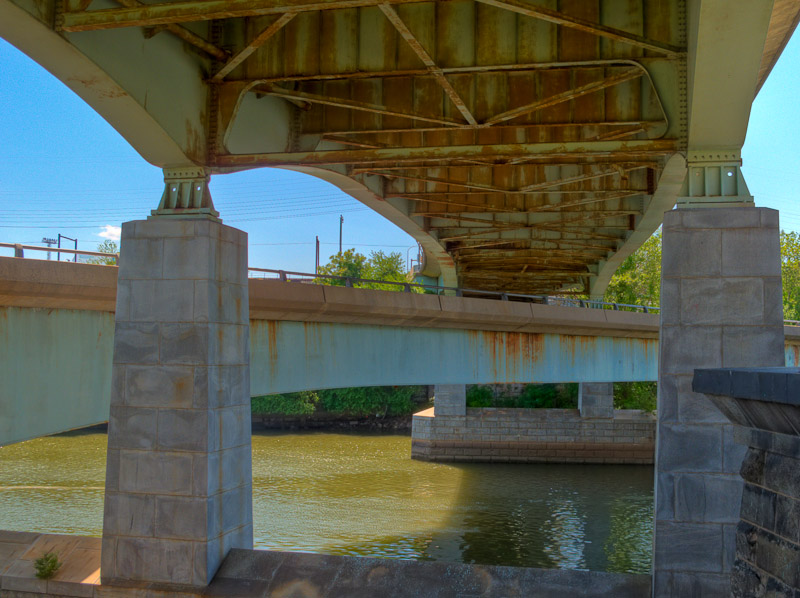
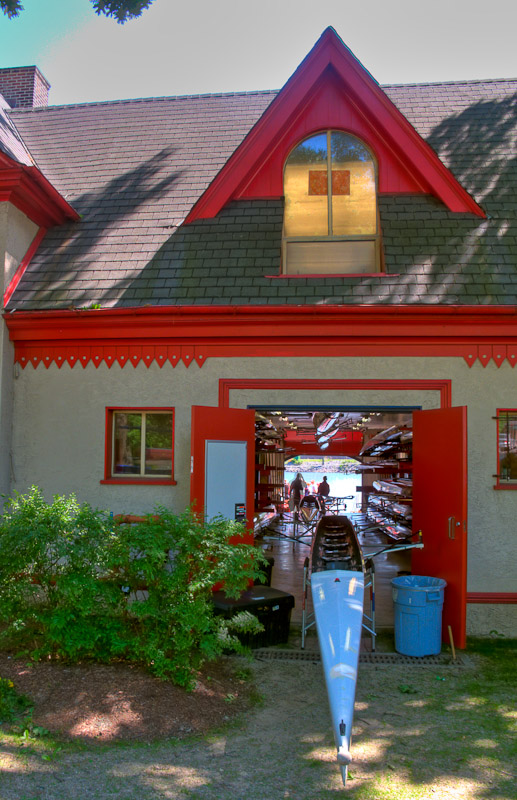
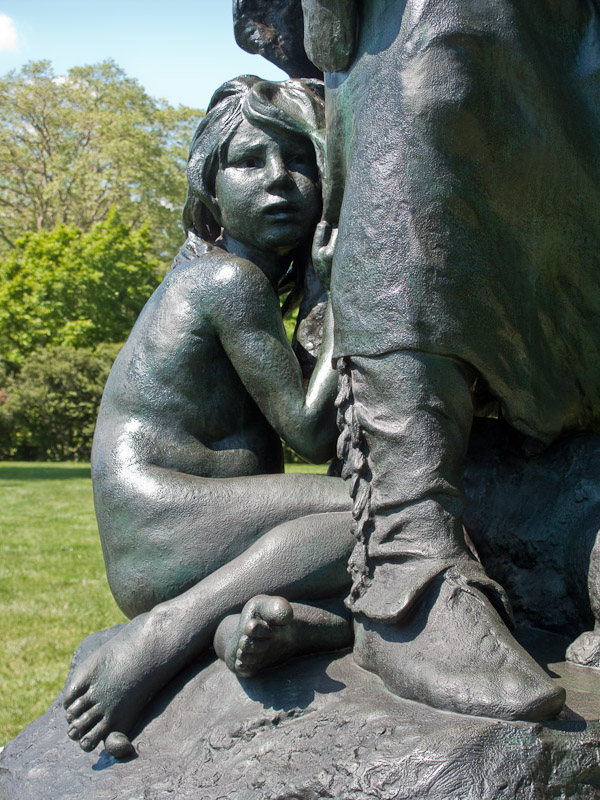
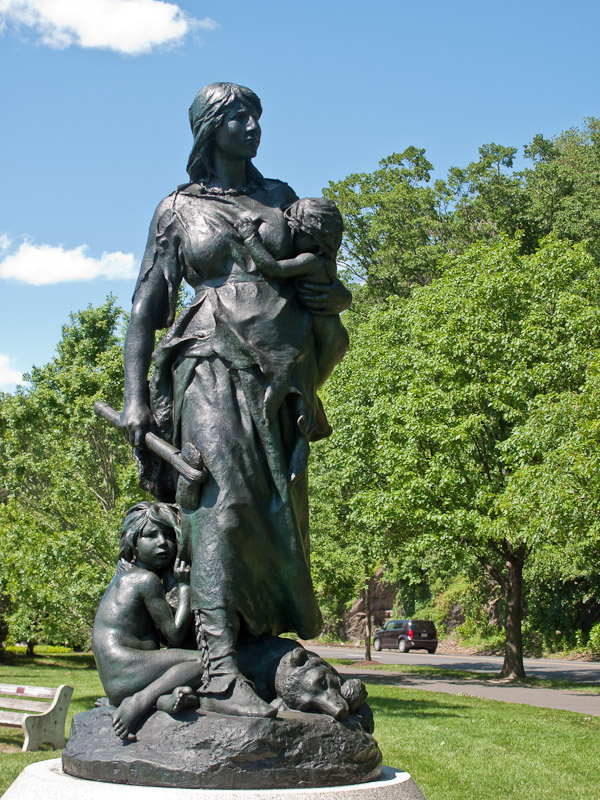
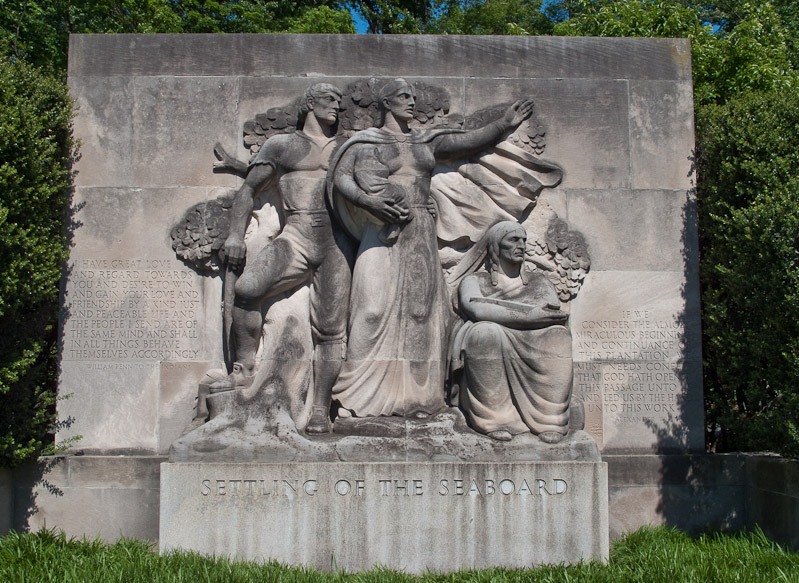
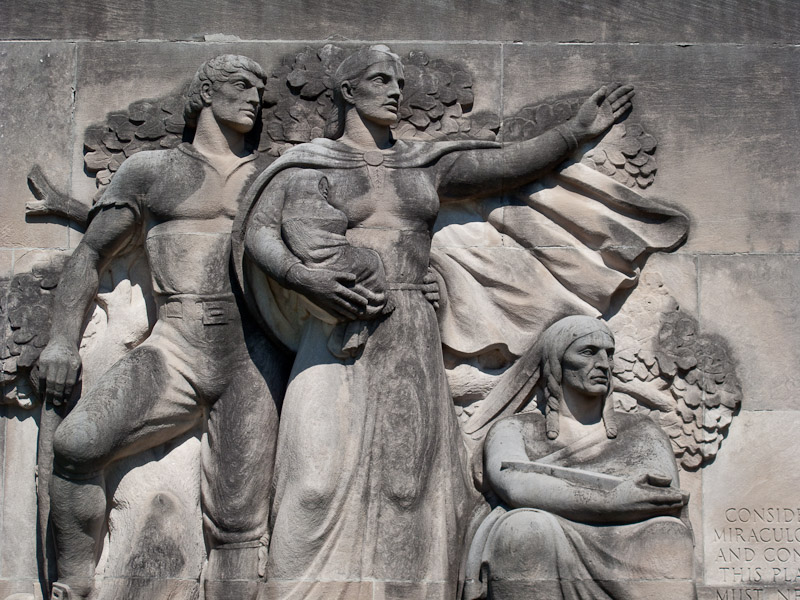
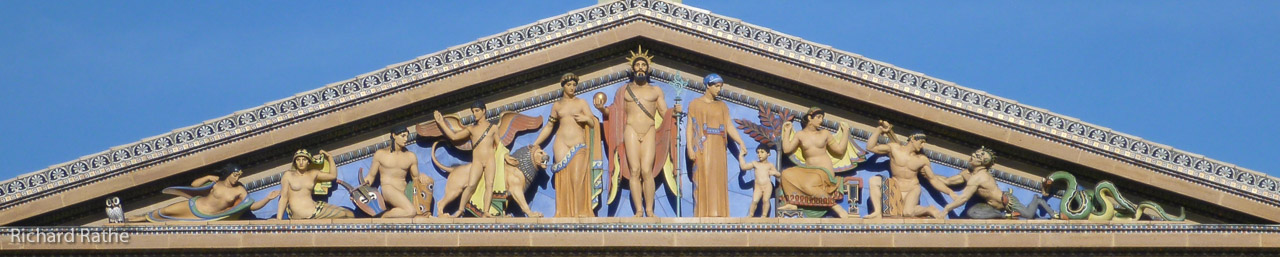
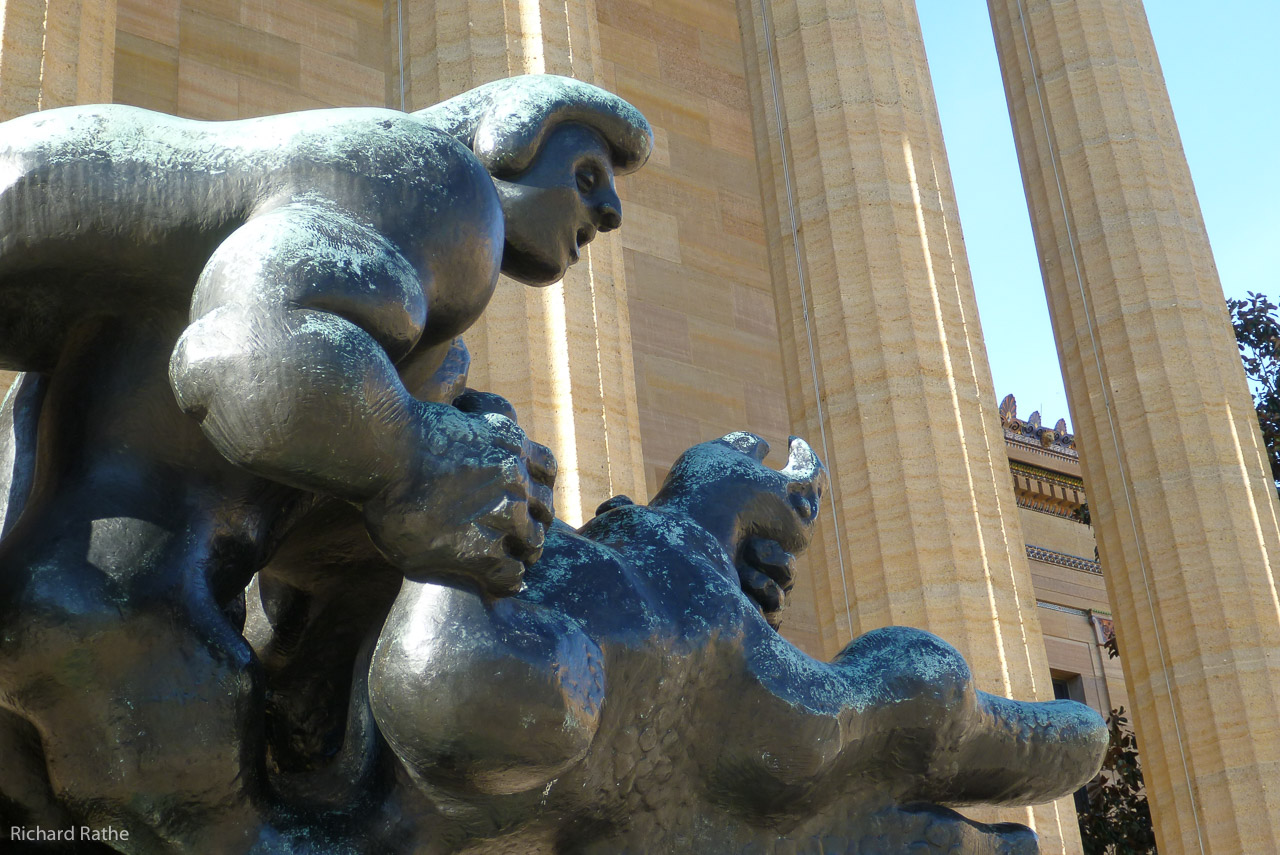
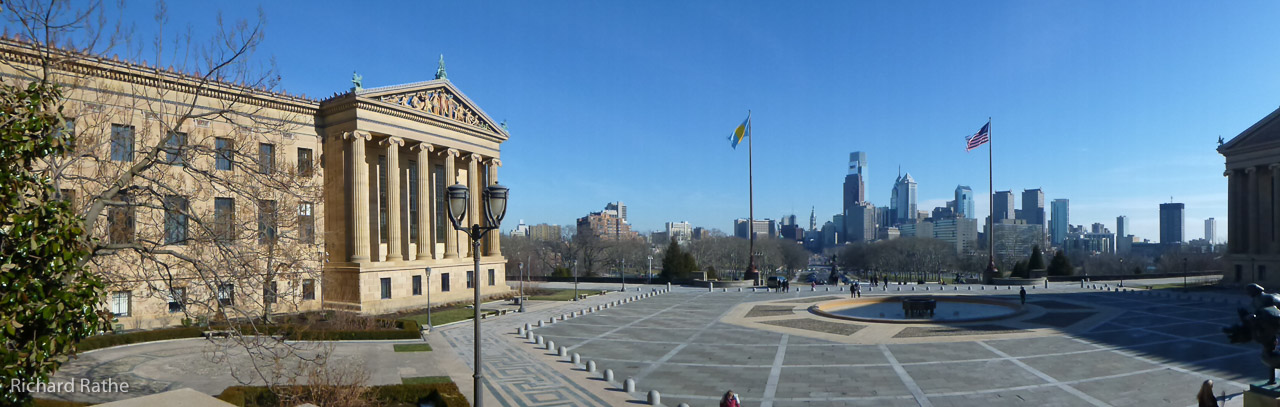
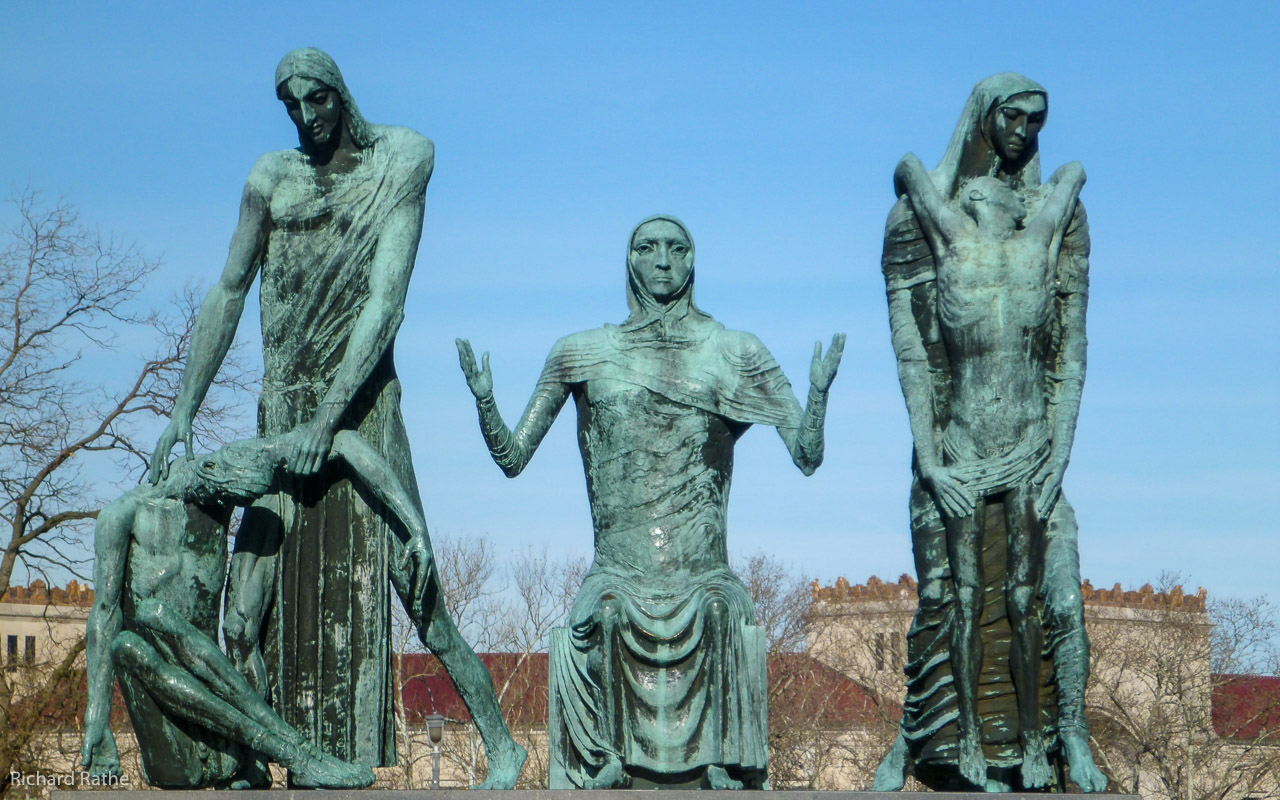
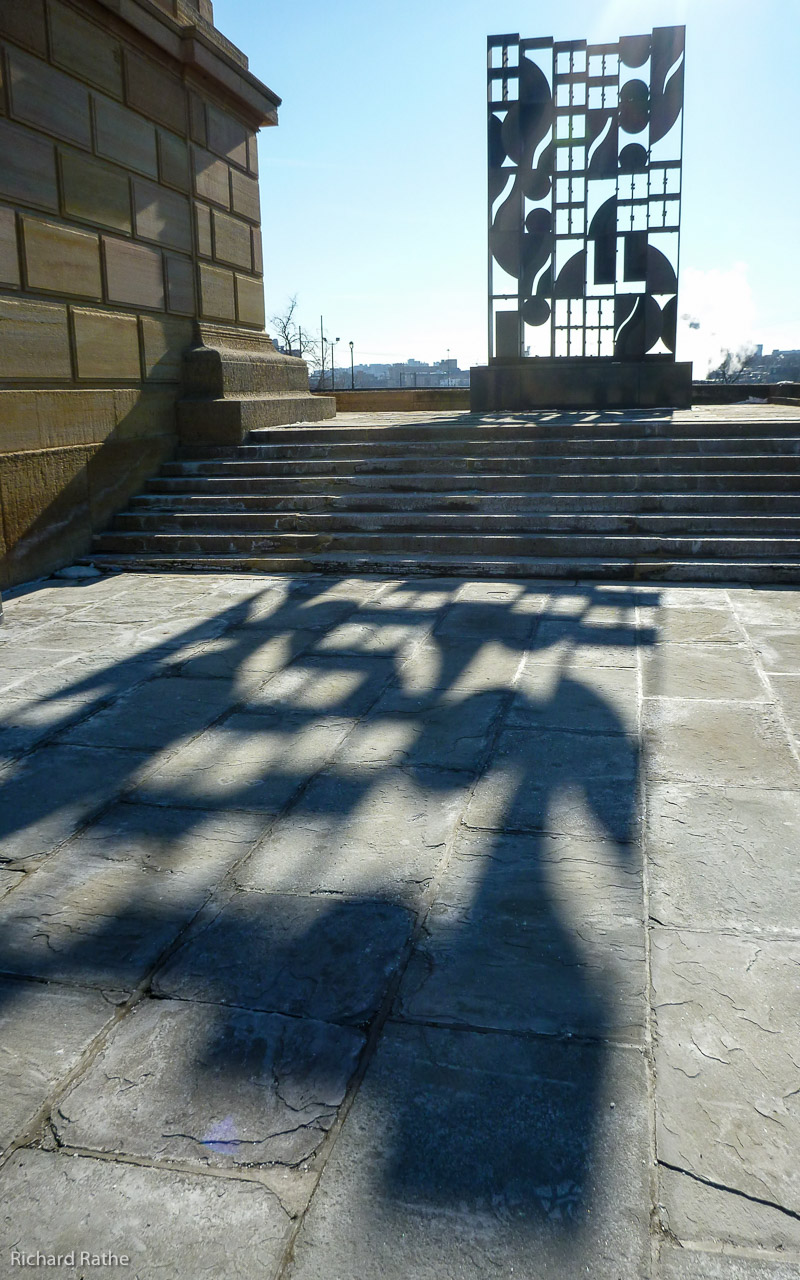
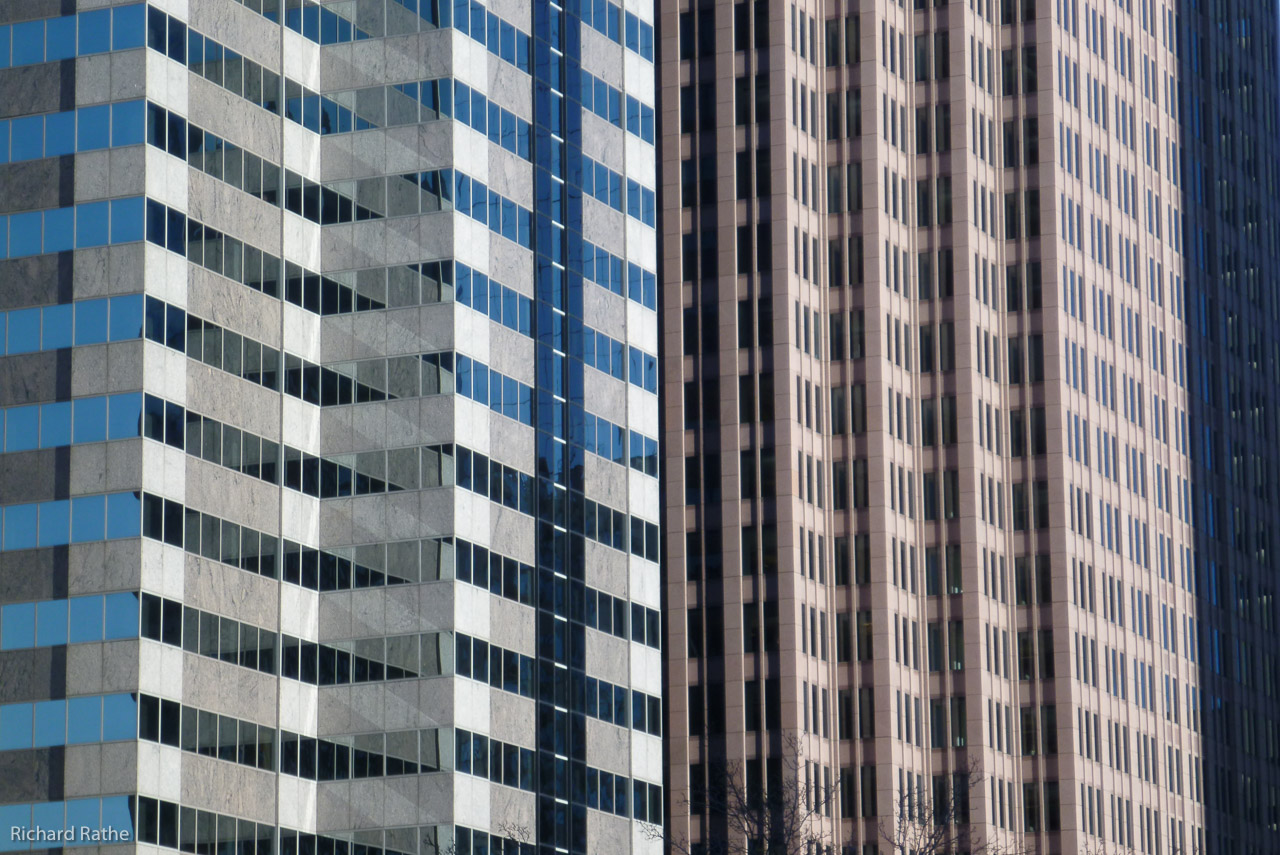
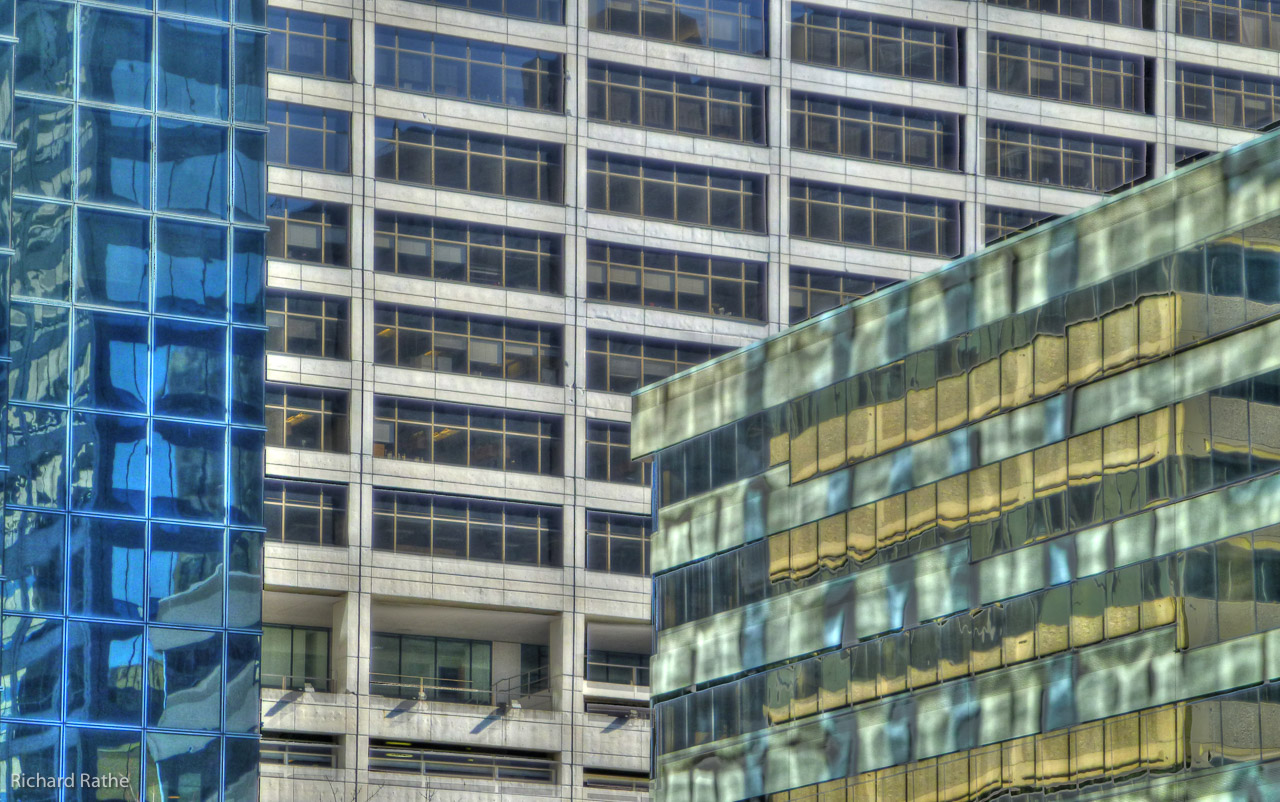
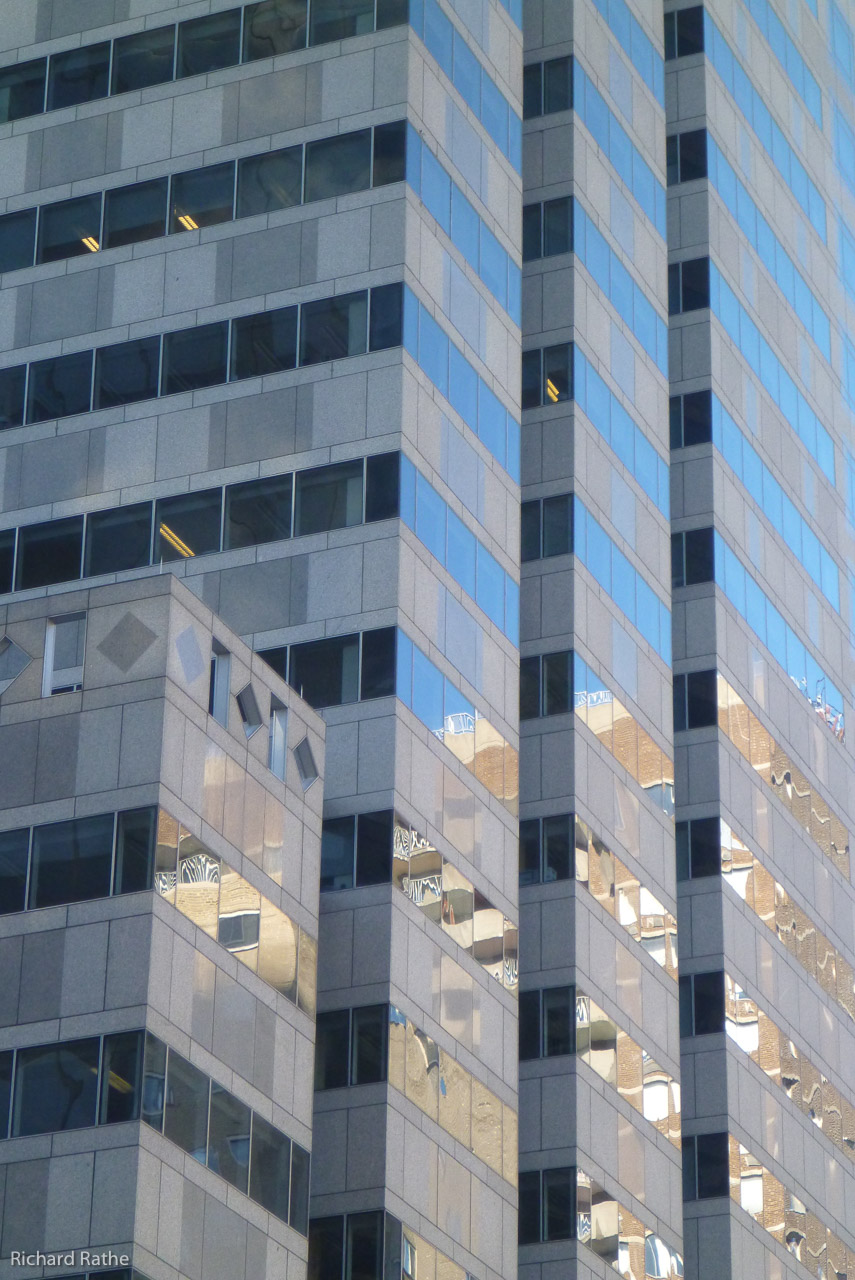
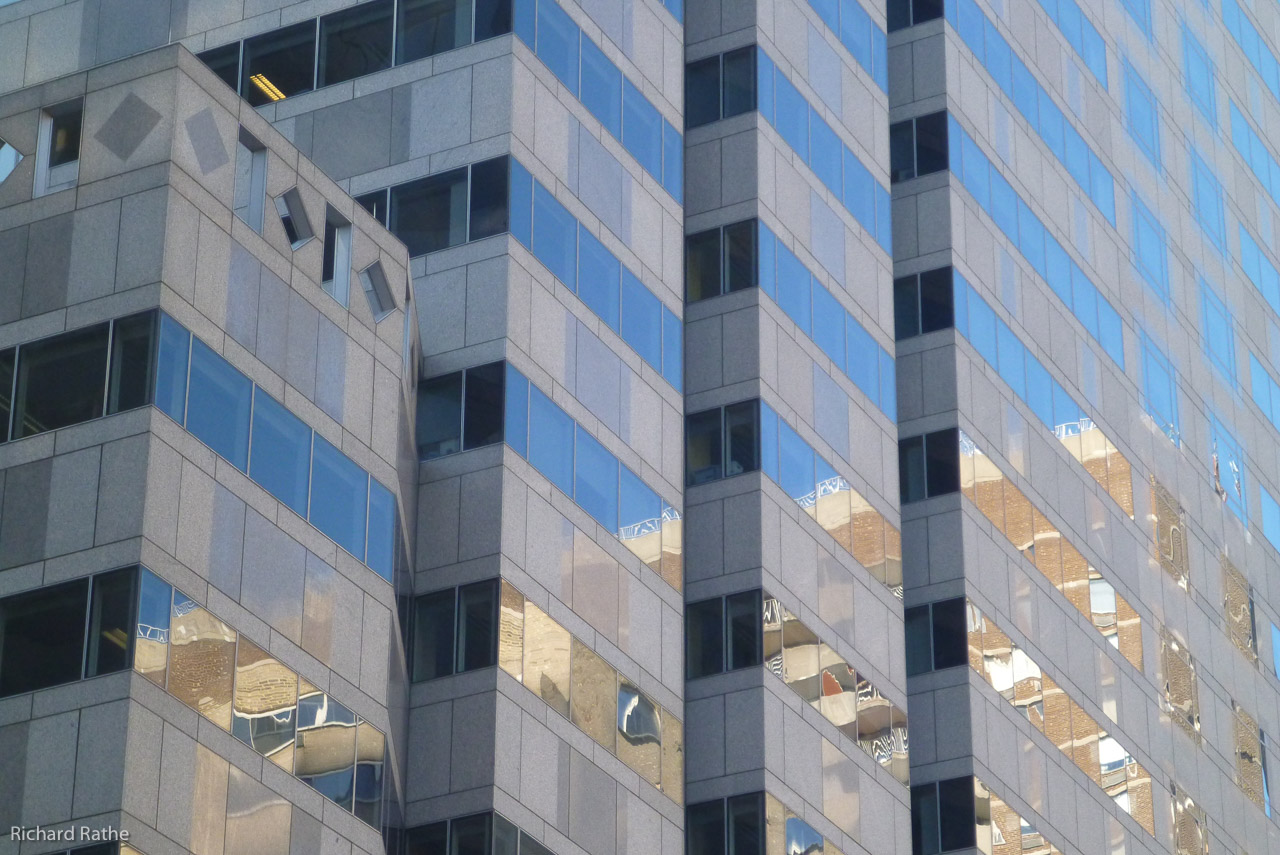
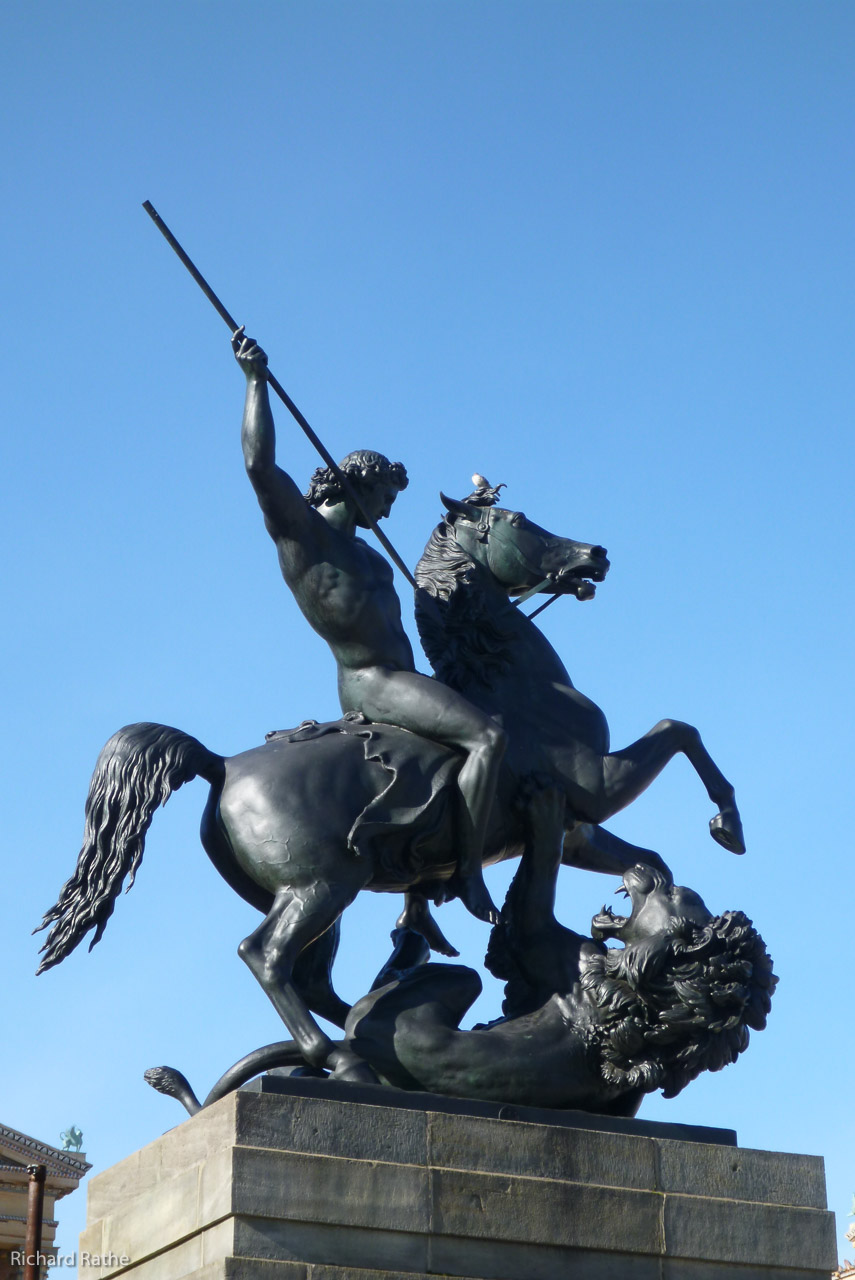
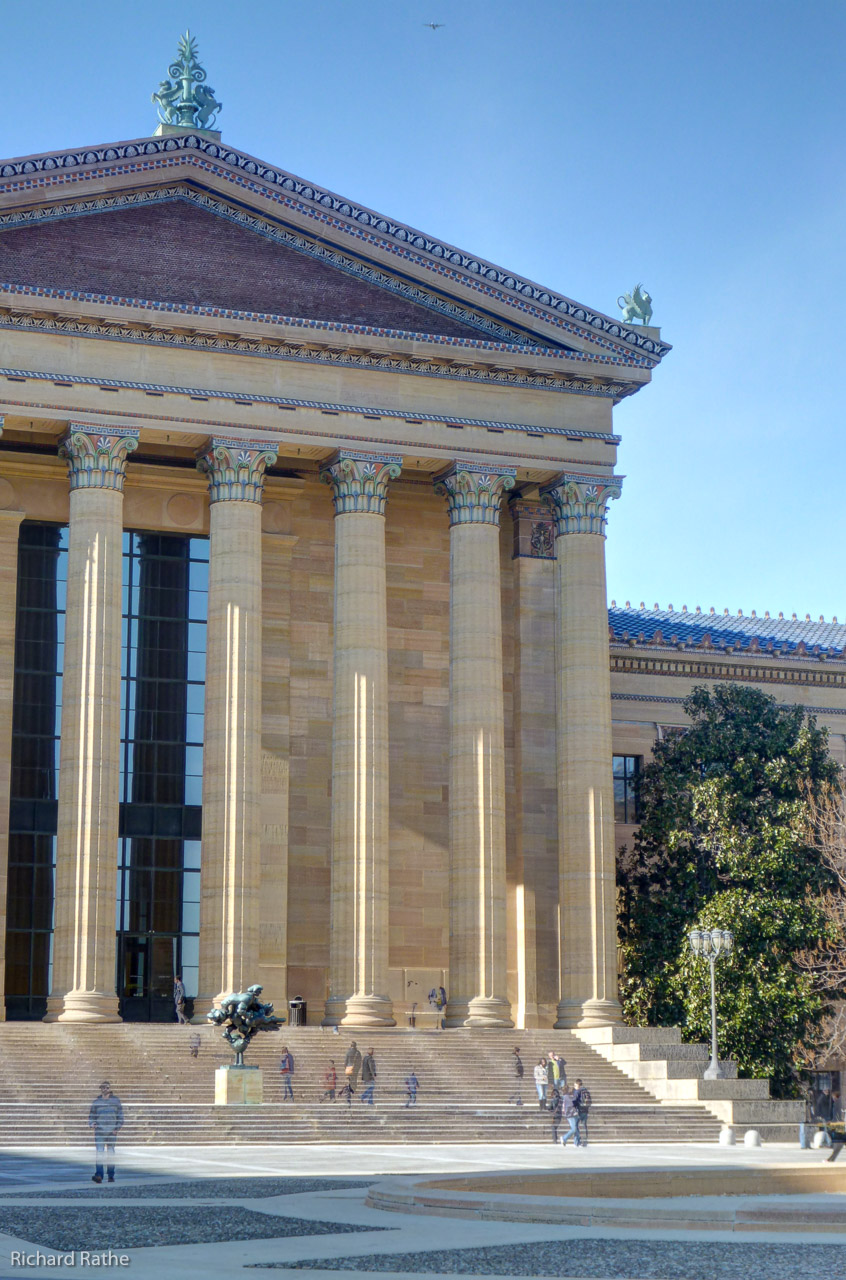
I had the pleasure of visiting Philadelphia multiple times during my career in support of the National Board of Medical Examiners (NBME). In 2006 I even lived there for five months during a sabbatical. The gallery below contains a number of architectural/urban environment studies, and my earliest attempts at High Dynamic Range (HDR) photography. I took most of the sculpture and fine art photos at the Philadelphia Museum of Art, and long walks along the Schuylkill River.
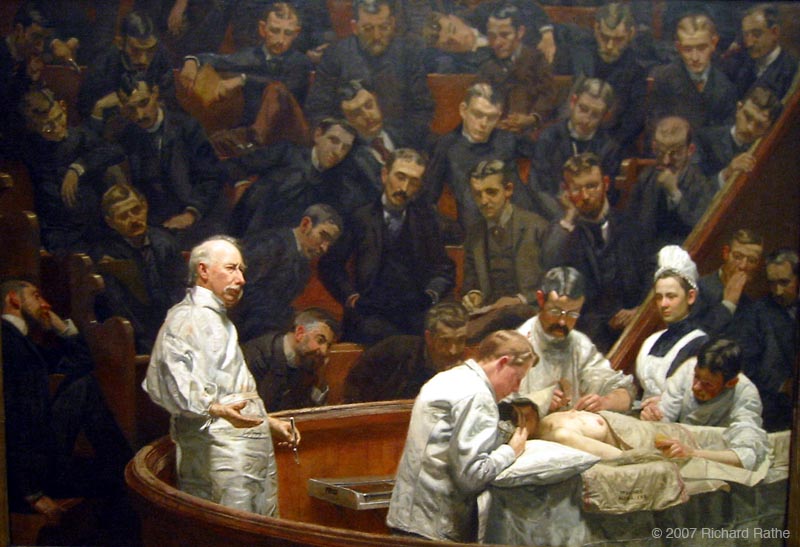
A highlight of my visit was seeing one of the most famous medical paintings—The Agnew Clinic by Thomas Eakins. I literally stumbled upon it during my first visit to the museum. At that time it was displaced from its home at the University of Pennsylvania Medical Center due to construction. As such it was housed in a small back gallery with other miscellaneous works.
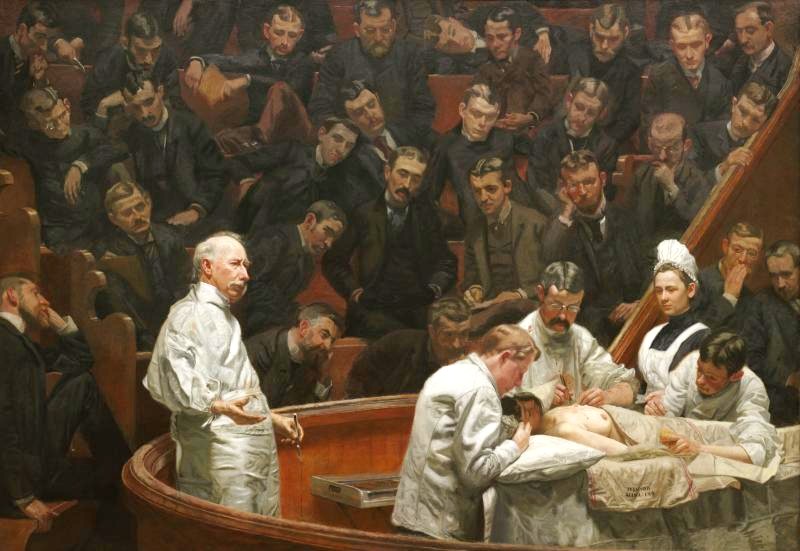
The first thing to note is it is huge—almost ten feet wide. It is very realistic and the composition is striking. This was a typical operating theater
in the 1800s. The senior surgeon (Dr. Agnew) stands to the left expounding on the procedure (mastectomy). The anesthesia is ether dripped onto a cloth cone held over the patient's face. (The person administering anesthesia is wearing a short coat
which makes me think he was a medical student or intern.) The artist included himself at the extreme right behind the nurse. At the time the painting was considered scandalous by some because it depicts a partially naked woman.
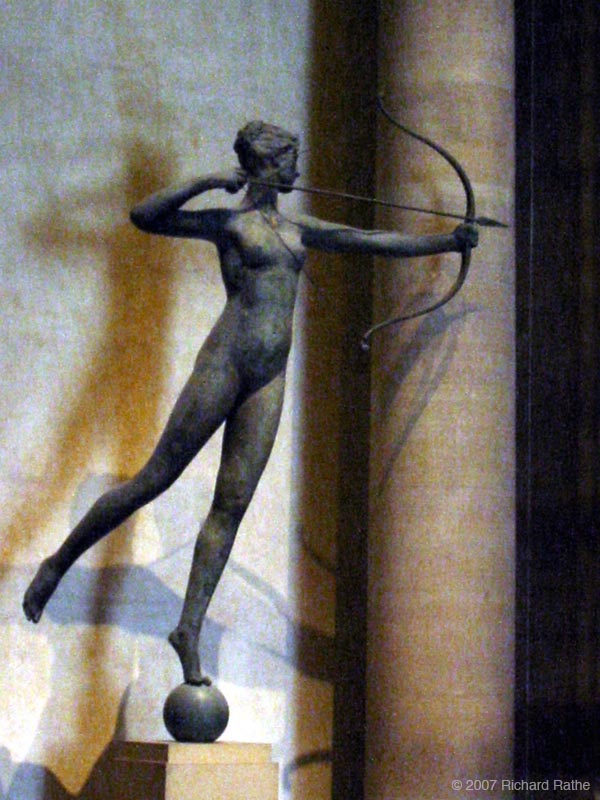
And speaking of naked women, on my way out I saw this somewhat scruffy looking statue of the goddess Diana drawing her bow. It took me a few seconds to remember where I'd seen it before—the movie version of Ragtime
by E.L. Doctorow.
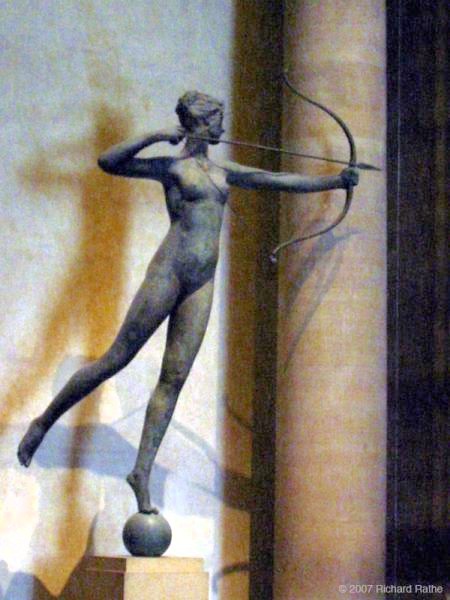
The Statue is by none other than Augustus Saint-Gaudens and was created to adorn the top of Madison Square Garden in New York City. Apparently New York could not find a home for it when the building was demolished and donated it to the Philadelphia museum in 1932. The statue is 14.5 feet tall, made of copper, and weighs 700 pounds. When I saw it most of the original gilding was gone. Since that time it has apparently been restored to its full golden glory. 🙂
(click any image to view or advance)